India 2026 EV Sales Data for 4-Wheeler Brands
DETAILS
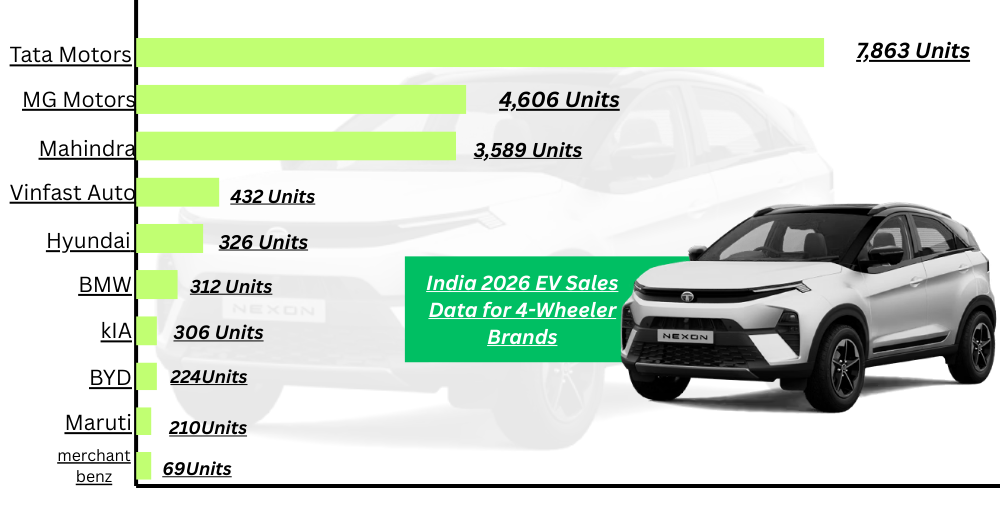
January 2026 EV Sales Data – 4-Wheeler Brands in India
| Tata Motors | 4,606 Units |
| Mahindra | 3,589 Units |
| VinFast Auto | 432 Units |
| Hyundai | 326 Units |
| BMW | 312 Units |
| Kia | 306 Units |
| BYD | 224 Units |
| Maruti | 210 Units |
| Mercedes-Benz | 69 Units |
Tata Motors Leads the EV Market in 2026
- Wide EV portfolio (Tiago EV, Punch EV, Nexon EV, etc.)
- Strong dealership network across India
- Competitive pricing
- First-mover advantage in the mass EV segment
- High consumer trust in the brand
MG Motors Secures the Second Position
Mahindra Strengthens Its EV Presence
Emerging and Premium EV Brands in India
What the 2026 EV Sales Data Reveals
- Proven EV experience
- Strong service networks
- Competitive pricing
- Clear EV strategy
Why EV Sales Are Rising in India in 2026
- Rising petrol and diesel prices
- Increasing environmental awareness
- Lower running cost of EVs
- Government incentives and state subsidies
- Expanding charging infrastructure
- More affordable battery technology
EV Market Outlook for the Rest of 2026
- Stronger competition among the top three brands
- More EV SUV launches
- Improved charging networks in Tier-2 and Tier-3 cities
- Higher EV penetration in urban India
- Gradual shift from early adopters to mainstream buyers
Latest News









Latest cars
Rs.40.00 Lakh - 50.00 Lakh
Rs.7.32 Lakh - 14.90 Lakh
Rs.2.05 Cr - 2.75 Cr
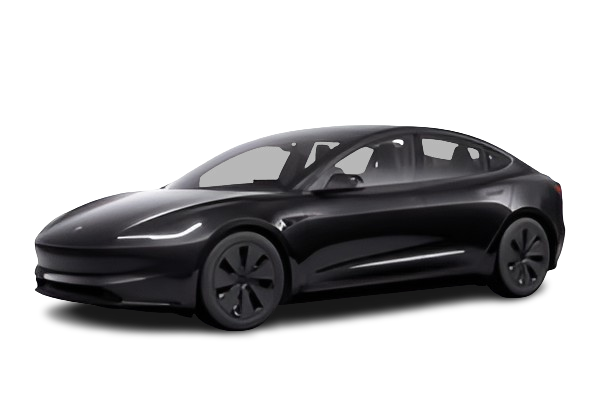
Rs.60.00 Lakh - 70.00 Lakh
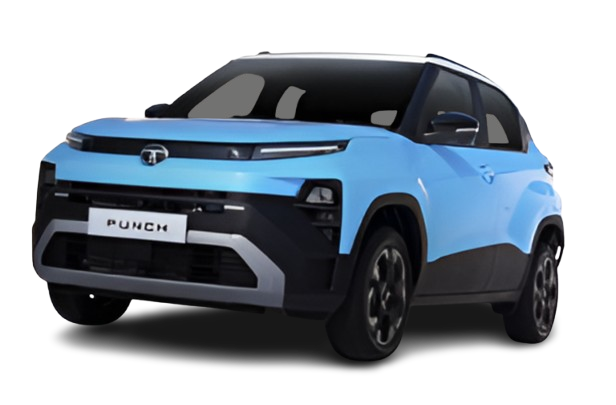
Rs.6 Lakh - 10.50 Lakh
Upcoming cars
.jpg)
Rs.22 Lakh - 30 Lakh
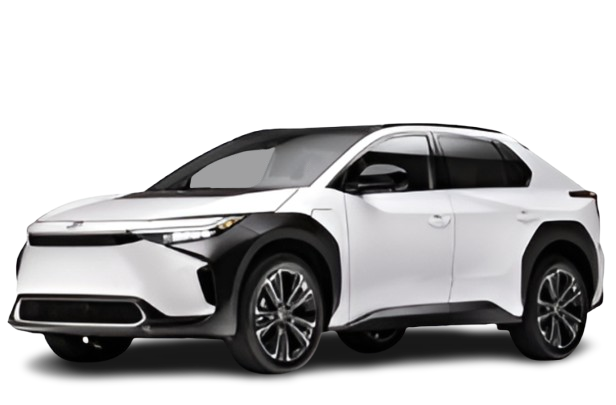
Rs.60.00 Lakh - 65.00 Lakh
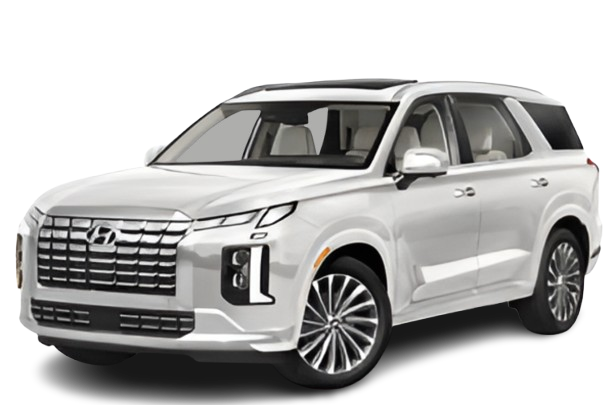
Rs.40 Lakh - 50.13 Lakh
Rs.1.19 Cr - 2.00 Cr
Rs.1.66 Cr - 1.70 Cr
More Related News
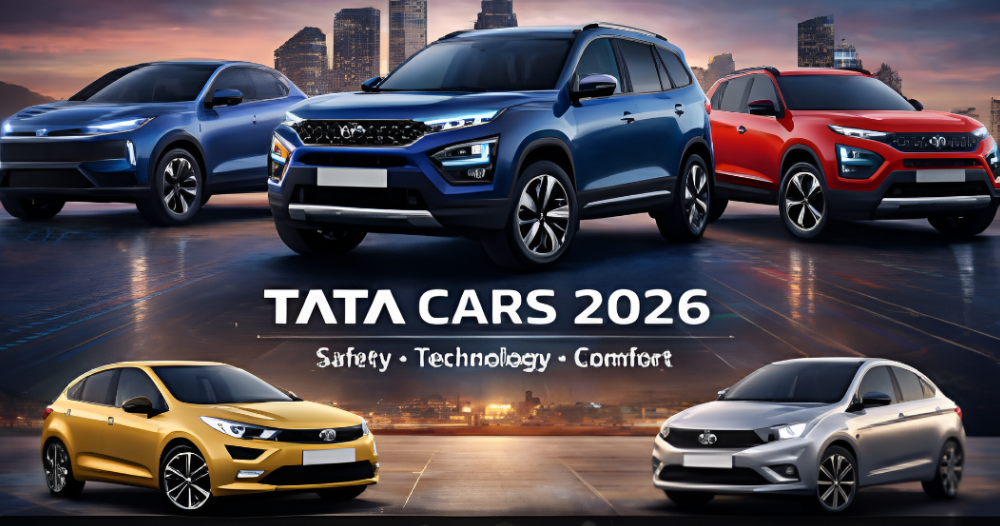
Tata Cars 2026: New Launches Every Tata Lover Should Know About
Tata Motors is preparing an exciting lineup for 2026, with major updates across SUVs, hatchbacks, sedans, and electric vehicles. The upcoming range reflects the brand’s clear focus on better safety, modern technology, improved performance, and future-ready mobility. For buyers who follow Tata closely, 2026 could be a year packed with meaningful upgrades rather than small cosmetic changes. From the premium and spacious Safari to the stylish Harrier, Tata is expected to refine its popular SUVs with enhanced features, improved cabin quality, and advanced safety systems like ADAS. At the same time, the Curvv EV is likely to push Tata’s electric vision forward with a futuristic design and practical driving range for Indian roads. In the more affordable segments, the Tigor and Altroz are expected to receive updated styling, smarter infotainment systems, and better everyday usability. These models will continue to target buyers who want strong build quality and value for money without stretching their budget.
Read More.png)
Huge Discounts on Cars in 2026: Save from INR 30K to INR 1 Lakh+ on Top Models
The Indian automobile market in 2026 is shaping up to be a buyer’s market. With manufacturers pushing sales through aggressive pricing strategies, car buyers now have access to huge discounts ranging from INR 30K to well over INR 1 lakh on some of the most popular and premium cars in India. From luxury SUVs to rugged off-roaders and family-friendly vehicles, brands like Toyota, Hyundai, Tata, and Mahindra are offering attractive deals that make this one of the best times to buy a new car. These offers are a mix of cash discounts, exchange bonuses, and dealer-level benefits, depending on the model and location. If you’ve been waiting for the right moment to upgrade or invest in a premium vehicle, 2026 could be your year.
Read More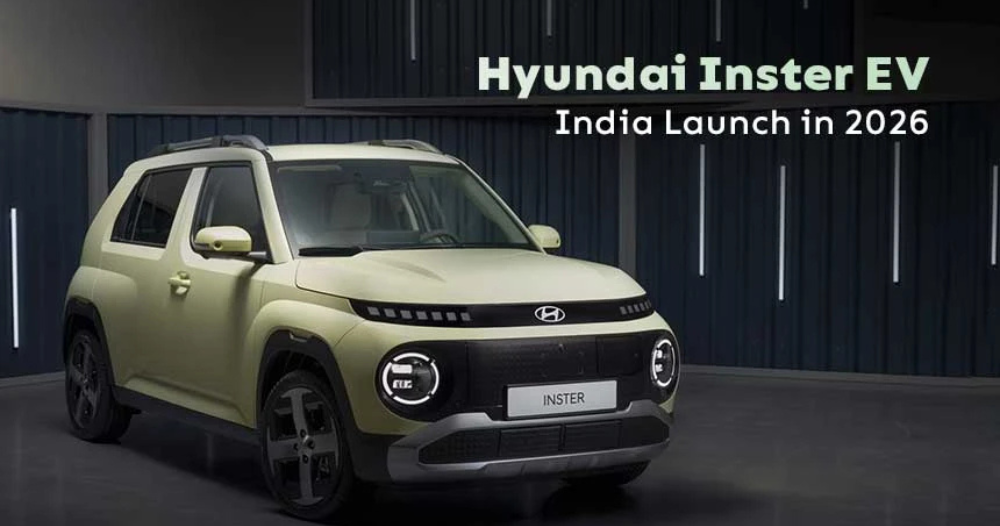
Meet the Hyundai Inster – A Small Electric Car With Big Surprises
Electric cars are no longer just about being eco-friendly. Buyers today want style, practicality, range, and features that actually make daily driving easier. Hyundai seems to understand this shift very well, and the Hyundai Inster is proof of that. At first glance, the Inster looks like a compact city EV. But spend a little time with it, and you realize it offers far more than its size suggests. From clever interior space to impressive electric range, the Hyundai Inster is designed for modern urban drivers who want an affordable and capable electric vehicle without compromise. Let’s take a closer look at what makes the Hyundai Inster a small electric car with genuinely big surprises.
Read More (1).png)
India-EU FTA Boosts Luxury Car Market with Major Import Duty Cuts
India has taken a bold step to open its premium automobile market to European luxury carmakers. Under the newly concluded India-EU Free Trade Agreement (FTA), the country will immediately slash import duties on high-end European cars from a staggering 110% to 30%, marking one of the most significant policy shifts in India’s luxury car segment. This move is expected to benefit global brands such as BMW, Mercedes-Benz, Audi, Porsche, Ferrari, Lamborghini, and Volvo, while still safeguarding domestic players in the EV and mass-market segments.
Read More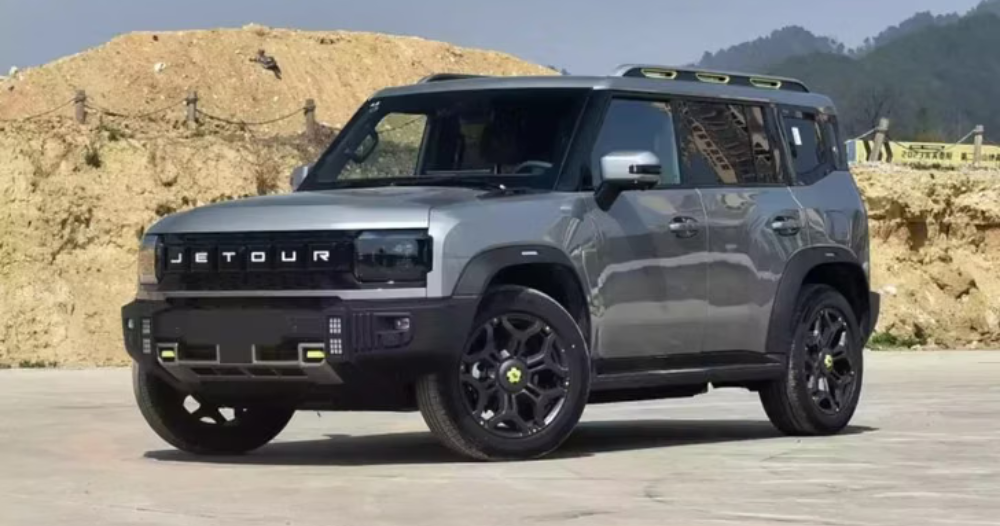
JSW Motors to Enter Indian Passenger Car Market With New SUV
The Indian passenger car market is set to welcome a new player. JSW Group, one of India’s largest and most diversified conglomerates, is preparing to enter the car segment under a new brand called JSW Motors. According to recent reports, the company plans to launch its first SUV before Diwali 2026, marking its official debut as a car manufacturer in India. This move comes after years of involvement in the automotive supply chain and strategic partnerships, including the well-known JSW–MG Motor India joint venture. With SUVs continuing to dominate Indian car sales, JSW’s entry could add serious competition in the mid-size and premium SUV space. Going forward in this articles below down we will highlight the journey of JSW group & how they plan to enter Indian passenger vehicle industry. Their thoughts, strategy, plan & execution and most importantly their choice to disrupt Indian automobile sector with launch of their first vehicle and that too of SUV vehicle. We will highlight the launch timeline, expected price, platform details, powertrain options, and what it means for the Indian auto market.
Read More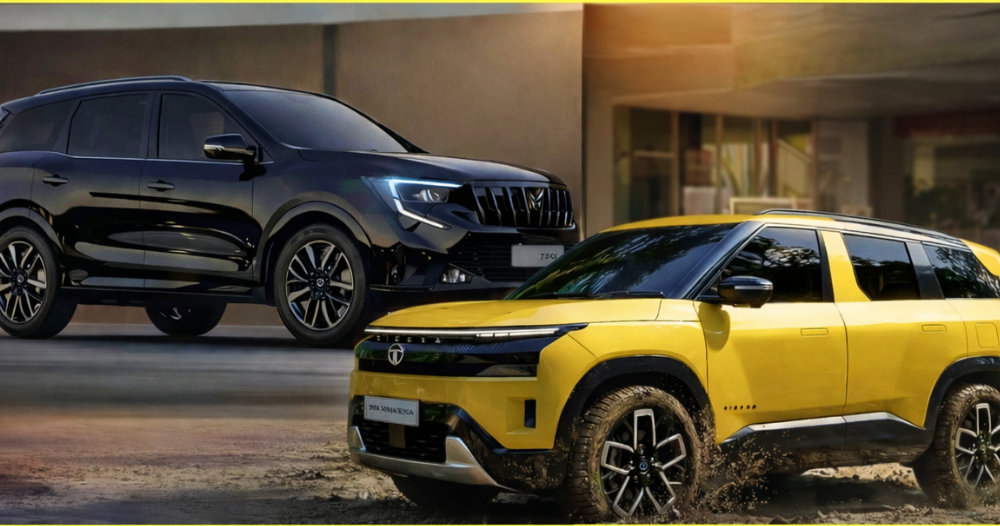
Indian Consumers Are Choosing Homegrown Brands in Record Numbers
The Indian automobile industry is no longer playing catch-up with global giants—it is setting the pace. Over the last few years, especially post-2023, Indian-origin automobile brands have entered a phase of unprecedented growth, innovation, and consumer trust. There is 70,000 bookings for Tata Sierra in a single day and 93,000 bookings for Mahindra 7X0 in just four hours. This surge in bookings clearly signals one thing: Indian consumers now believe in Indian brands more than ever before. What we are witnessing today is the golden phase of Indian automobiles, driven by bold design choices, global-level safety standards, advanced technology, and a deep emotional connection with buyers.
Read MoreSubscribe Now
Want to Know more about Upcoming and New
Cars… Ask Us!