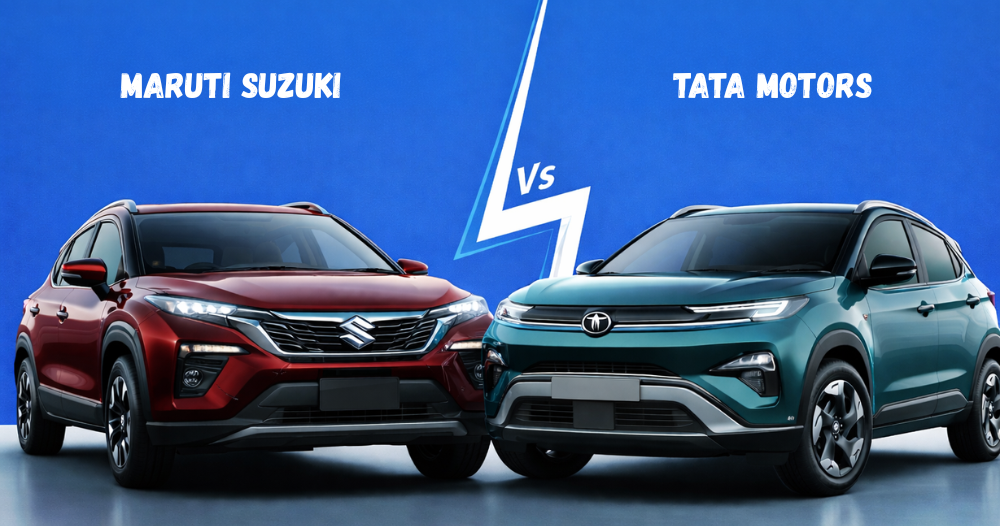
Neck to Neck Brand Value Comparison Maruti Suzuki and Tata Motors
DETAILS
Understanding Brand Value in the Automobile Industry
- Revenue consistency
- Market share
- Number of vehicles sold
- Pricing strategy
- Dealer and service network
- Profitability per vehicle
- Customer trust and recall
Revenue Analysis: Why Maruti Suzuki Leads by a Wide Margin
- Maruti Suzuki Revenue: ₹1,52,913 crore
- Tata Motors Revenue: ₹48,400 crore

Market Share Comparison: Control vs Competition
- Maruti Suzuki Market Share: 40–42%
- Tata Motors Market Share: 13–14%

Units Sold: The Power of Volume
- Maruti Suzuki Units Sold: 22.34 lakh
- Tata Motors Units Sold: 5.56 lakh

- Lower manufacturing cost per unit
- Stronger bargaining power with suppliers
- Faster inventory movement
- Higher customer touchpoints
Dealership Network: Why Reach Still Matters
- Maruti Suzuki Dealerships: 4,964
- Tata Motors Dealerships: 3,500
Average Selling Price: Affordability vs Aspiration
- Maruti Suzuki Average Selling Price: ₹6.84 lakh
- Tata Motors Average Selling Price: ₹8.70 lakh
Daily Sales Performance: Operational Scale
- Maruti Suzuki Cars Sold Per Day: 6,121
- Tata Motors Cars Sold Per Day: 1,524
Profit Per Vehicle: Efficiency Beats Pricing
- Maruti Suzuki Profit Per Vehicle: ₹64,900
- Tata Motors Profit Per Vehicle: ₹19,800
- Optimized supply chains
- Lower marketing cost per unit
- High production efficiency
Overall Brand Value Comparison
- Revenue
- Market share
- Sales volume
- Dealership reach
- Profitability
- Operational efficiency
- Higher pricing power
- Premium brand perception
- Safety-focused products
- Aspirational appeal
Latest News








Latest cars
Rs.60.00 Lakh - 70.00 Lakh
Rs.6 Lakh - 10.50 Lakh
Rs.9 Lakh - 10 Lakh
Rs.19.95 Lakh - 29.95 Lakh
Rs.11.49 Lakh - 20.49 Lakh
Upcoming cars
Rs.40 Lakh - 50.13 Lakh
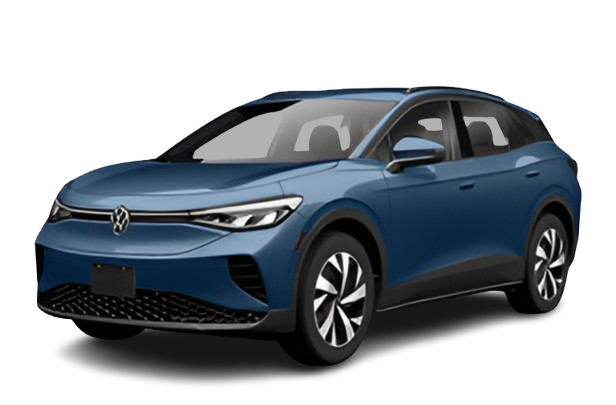
Rs.50.00 Lakh - 60.00 Lakh
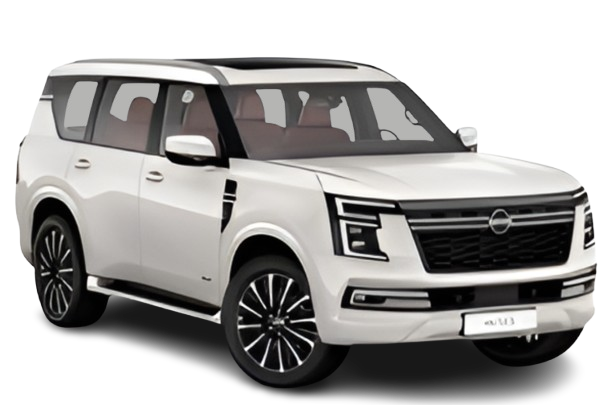
Rs.1.19 Cr - 2.00 Cr
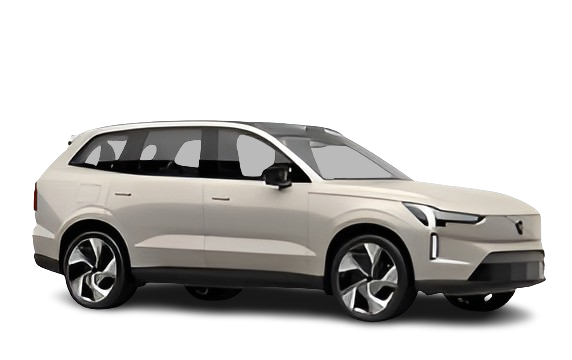
Rs.1.00 Cr - 1.30 Cr
.jpg)
Rs.25 Lakh - 25 Lakh
More Related News
.png)
Top 10 Electric Cars in India (2026): Price, Specifications & Features
In 2026, the EV market is evolving faster than ever, with new launches, futuristic concepts, and long-range electric SUVs entering the scene. The electric cars in India 2026 segment has rapidly expanded, offering everything from budget-friendly EVs to high-end luxury electric vehicles. If you’re planning to switch to an EV, this guide covers the top 10 latest electric cars in India (2026) along with price, range, specifications, and features.
Read More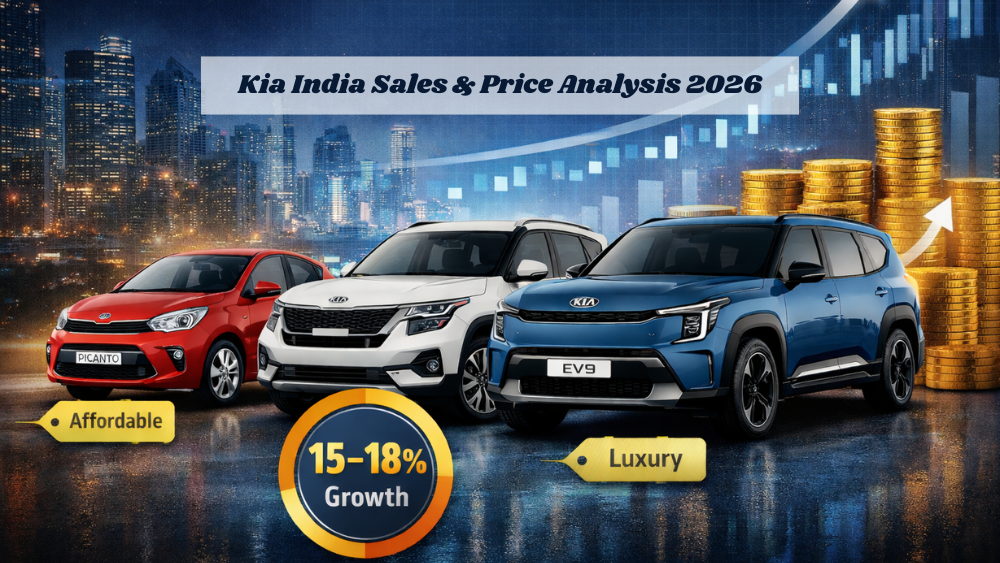
Kia India 2026: Cheapest to Most Expensive Models & Sales Growth
In 2026, Kia India delivered one of its strongest yearly performances since entering the Indian market. The company recorded approximately 2.81 lakh units in total sales, marking an impressive 15–18% year-on-year growth compared to 2025. This wasn’t just growth on paper. It reflected stronger demand across both SUV and MPV segments, where Kia has built a solid reputation. From metro cities to fast-growing Tier-2 and Tier-3 markets, buyers continued choosing Kia for its: Bold and modern design Feature-rich interiors Advanced safety technology Competitive pricing strategy Quarterly performance remained steady throughout the year, with Q4 emerging as the strongest period at nearly 79,000+ units sold, driven by festive demand and year-end offers.
Read More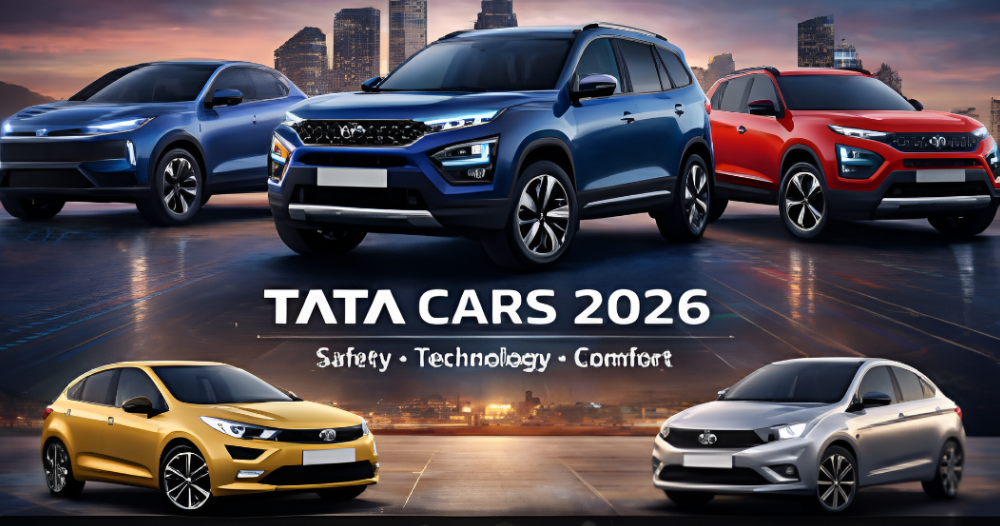
Tata Cars 2026: New Launches Every Tata Lover Should Know About
Tata Motors is preparing an exciting lineup for 2026, with major updates across SUVs, hatchbacks, sedans, and electric vehicles. The upcoming range reflects the brand’s clear focus on better safety, modern technology, improved performance, and future-ready mobility. For buyers who follow Tata closely, 2026 could be a year packed with meaningful upgrades rather than small cosmetic changes. From the premium and spacious Safari to the stylish Harrier, Tata is expected to refine its popular SUVs with enhanced features, improved cabin quality, and advanced safety systems like ADAS. At the same time, the Curvv EV is likely to push Tata’s electric vision forward with a futuristic design and practical driving range for Indian roads. In the more affordable segments, the Tigor and Altroz are expected to receive updated styling, smarter infotainment systems, and better everyday usability. These models will continue to target buyers who want strong build quality and value for money without stretching their budget.
Read More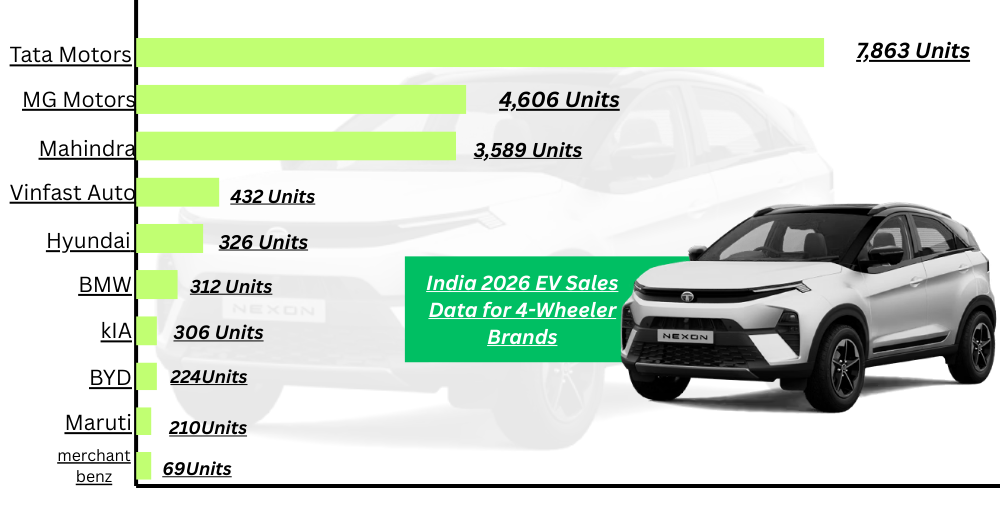
India 2026 EV Sales Data for 4-Wheeler Brands
India’s electric vehicle market is no longer just “growing.” It is evolving. And 2026 is shaping up to be a defining year for electric four-wheelers in the country. With more model choices, better charging access, and rising fuel costs, buyers are now seriously considering EVs as their primary vehicle. The latest January 2026 sales data clearly shows how the competition is shaping up among India’s top 4-wheeler EV brands. In this blog, we break down the official brand-wise sales numbers, analyze market trends, and understand what this means for the future of electric cars in India.
Read More.png)
Huge Discounts on Cars in 2026: Save from INR 30K to INR 1 Lakh+ on Top Models
The Indian automobile market in 2026 is shaping up to be a buyer’s market. With manufacturers pushing sales through aggressive pricing strategies, car buyers now have access to huge discounts ranging from INR 30K to well over INR 1 lakh on some of the most popular and premium cars in India. From luxury SUVs to rugged off-roaders and family-friendly vehicles, brands like Toyota, Hyundai, Tata, and Mahindra are offering attractive deals that make this one of the best times to buy a new car. These offers are a mix of cash discounts, exchange bonuses, and dealer-level benefits, depending on the model and location. If you’ve been waiting for the right moment to upgrade or invest in a premium vehicle, 2026 could be your year.
Read More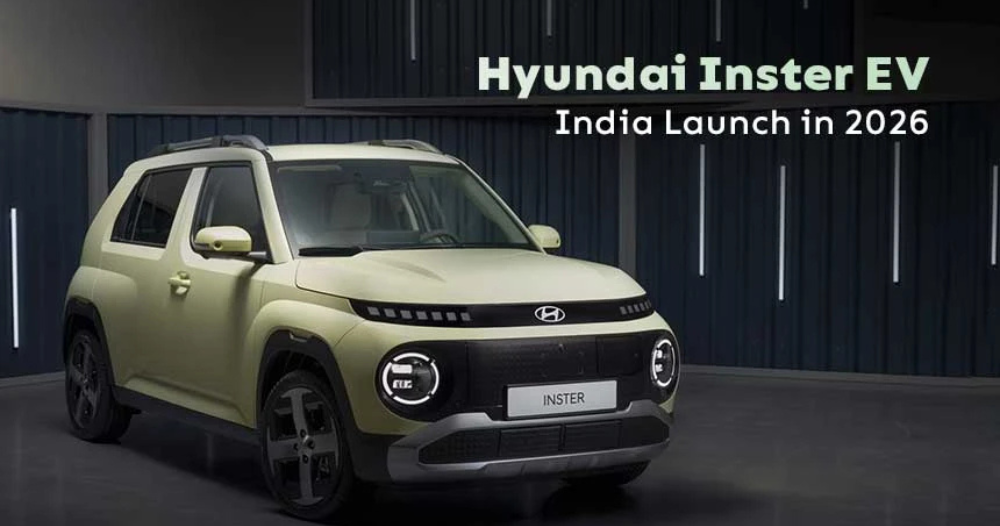
Meet the Hyundai Inster – A Small Electric Car With Big Surprises
Electric cars are no longer just about being eco-friendly. Buyers today want style, practicality, range, and features that actually make daily driving easier. Hyundai seems to understand this shift very well, and the Hyundai Inster is proof of that. At first glance, the Inster looks like a compact city EV. But spend a little time with it, and you realize it offers far more than its size suggests. From clever interior space to impressive electric range, the Hyundai Inster is designed for modern urban drivers who want an affordable and capable electric vehicle without compromise. Let’s take a closer look at what makes the Hyundai Inster a small electric car with genuinely big surprises.
Read MoreSubscribe Now
Want to Know more about Upcoming and New
Cars… Ask Us!