The Revolution of Electric Vehicles: The Need to Go Green on Four Wheels
Electric vehicles, often known as EVs, are the present and, without a doubt, the future of transportation. There is a lot to be explored, regardless of whether you are considering purchasing an electric vehicle or are simply interested in this environmentally friendly trend. Electric vehicles are transforming the way we drive by reducing fuel expenses and having a positive environmental impact. Let's explore all the information you require about electric vehicles and the reasons you ought to think about switching.
DETAILS
What Is So Unique About Electric Vehicles?
Electric automobiles use electricity stored in batteries to power them, as opposed to conventional vehicles that run on gasoline or diesel. This results in a smoother driving experience, quieter rides, and no tailpipe emissions. However, the technology is not the only aspect of it.
Owning an electric vehicle has many advantages, some of which are mentioned below:
- Extra Money Savings: Driving Electric Saves Money
The cost savings on gasoline is one of the main benefits of owning an electric vehicle. In addition to being extremely energy-efficient, electricity is less expensive than gasoline. Take, for example:
- The cost of charging an EV is significantly less than that of filling up at the gas pump
- And because EVs have fewer moving components, they require less maintenance
2. More environmentally friendly
Environmental preservation and pollution control are major issues worldwide, but in India in particular, people are concerned about the rising pollution levels that pose a serious threat to both human safety and the environment. EVs are becoming a huge help to everyone. Therefore, the mobility of electric vehicles is crucial to lowering pollution levels and protecting the environment.
Since EVs emit no emissions when in motion, they contribute to the fight against climate change and air pollution. You're taking a tiny but significant step toward a cleaner world by opting for an electric vehicle.
3. Subsidiaries and Tax Benefits
In addition to the advantages for consumers and the environment, the government has prepared a number of advantageous programs that allow automakers to increase the number of EVs they produce for consumers. Since the Indian government established numerous EV production units, automakers are concentrating more on EVs and less on gasoline and diesel automobiles.
By providing a range of incentives, governments around the world are urging citizens to switch to electric vehicles. These include reduced registration costs, tax refunds, and in certain locations, free charging stations. To find out what benefits are offered in your area, check your local legislation.
Types of Electric Vehicles: Which One Is Best fit for You?
Customers find it difficult to determine which electric vehicle is best for them because there are less EV manufacturers than there are gasoline-powered vehicles. The requirements, how he may choose the EV, and what factors he can take into account when choosing this car.
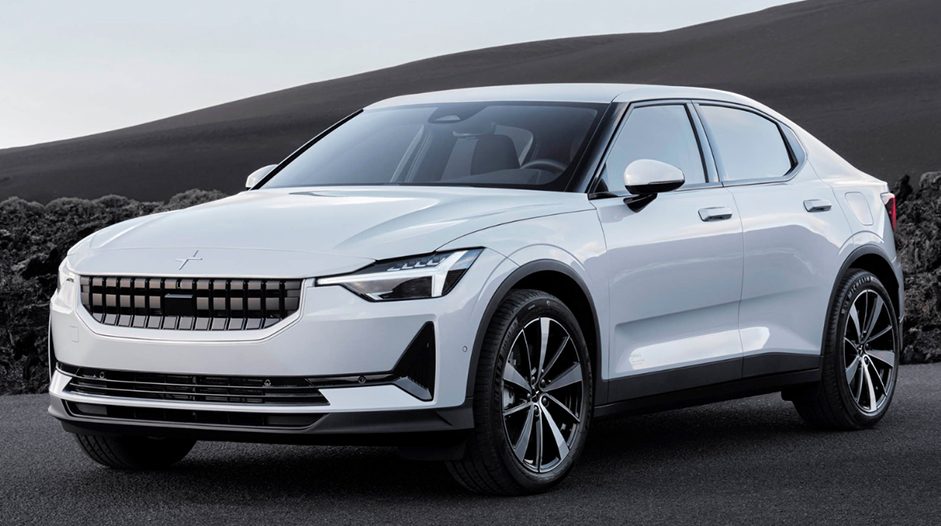
Electric vehicles are not all created equal. Selecting the appropriate EV type will depend on your driving requirements. These are the primary categories:
a) Battery Electric Vehicles (BEVs)
BEVs run purely on electricity. They’re ideal for city driving and short commutes. Popular models include the Tesla Model 3, Nissan Leaf, and Hyundai Kona Electric.
b) Plug-In Hybrid Electric Vehicles (PHEVs)
PHEVs combine a gasoline engine with an electric motor. You can drive them on electricity for short trips and use gas for longer journeys. Think of it as the best of both worlds.
c) Hybrid Electric Vehicles (HEVs)
HEVs use a combination of a gasoline engine and a small electric motor. However, unlike PHEVs, you can’t plug them in to recharge. The Toyota Prius is a classic example.
D) How Far Can You Go? EV’s Range after a Full Charge
Range is among the most frequent worries people have about electric vehicles. But contemporary EVs have advanced significantly. Nowadays, a lot of models have a range of more than 300 miles between charges. That is more than sufficient for everyday commute and even weekend road trips.
Know that the infrastructure for charging is expanding quickly if you're concerned about running out of power. Your automobile can be charged at fast-charging stations in less than an hour.
e) Charging an Electric Car: How Does It Work?
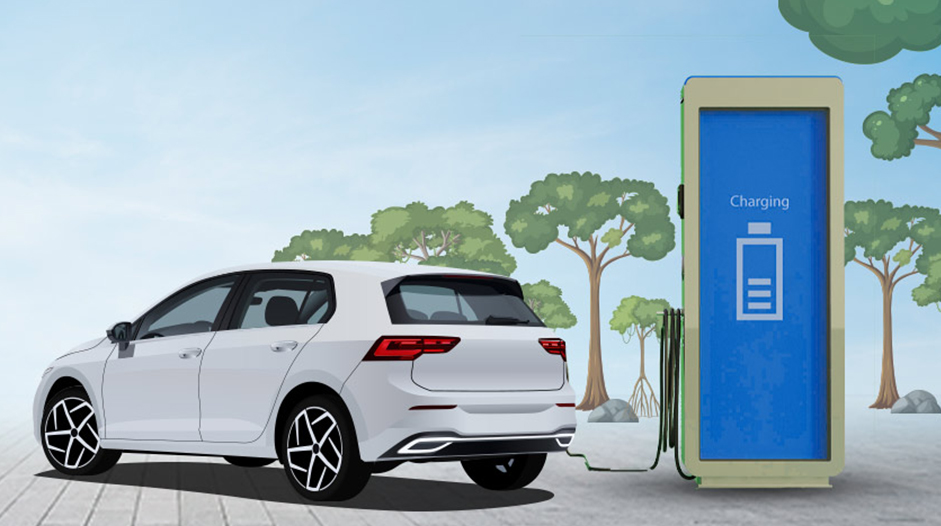
Charging an electric car is as easy as charging your phone. Here’s a quick guide:
f)Charging at Home
Most EV owners charge their cars at home using a Level 1 or Level 2 charger. A Level 1 charger plugs into a standard outlet and is best for overnight charging. A Level 2 charger, on the other hand, offers faster charging speeds but requires a dedicated setup.
g) Charging Your EV in Public Place
If you’re on the go, public charging stations are your best bet. These include Level 3 DC fast chargers, which can give you an 80% charge in about 30 minutes.
Are Electric Vehicles Actually Cheap & Affordable?
This is one of the most frequent questions asked by customers who are actually considering purchasing an EV but are actually reversing their decision because the purchase price is slightly higher than that of a fuel vehicle. However, if they start to calculate the cost of the vehicle over its entire lifespan, the cost of an EV will be significantly lower than that of a fuel vehicle.
To encourage more people to purchase electric vehicles, the government also starts public awareness efforts to inform the public on how much EVs cost and how to do so. However, only a small number of Indian and foreign firms are actively seeking to educate the public and introduce affordable EVs in order to attract and ultimately convert potential customers. Indian automakers such as Tata Motors, Maruti, and Hyundai are actively involved in the introduction of electric vehicles. on 2024, Tata Motors sold over 2 lakh units of Tata Punch cars, surpassing the sales of the leading Indian brand Maruti. This 2 lakh figure includes at least 50% EV and CNG automobiles on the market. You can explore Tata Punch new variant here and can compare it with other brand vehicles which will help you to make your decision effectively.
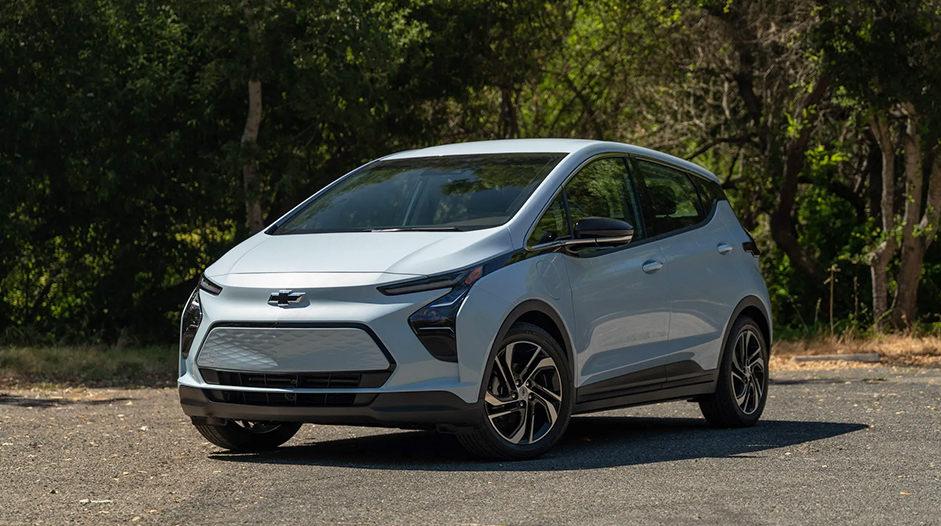
Contrary to popular belief, electric cars are not always costly. Although high-end vehicles like Tesla make news, there are many reasonably priced alternatives available. Automobiles with excellent value for money include the Hyundai Ioniq 5, Chevrolet Bolt EV, and Tata Nexon EV.
Additionally, the total cost of ownership becomes even more alluring when you account for the gasoline and maintenance savings.
Electric Vehicles' Future
Electric vehicles are without a doubt the way of the future. With plans to phase out gasoline-powered vehicles completely in the coming decades, automakers are making significant investments in electric vehicle technologies. Additionally, battery technology is advancing, providing faster charging times and greater range.
i) Autonomous Driving and EVs
Self-driving electric cars are no longer just science fiction. Companies like Tesla and Waymo are already testing autonomous EVs, promising a future where you can sit back and relax while your car drives itself.
ii) Solar-Powered Cars
Imagine a car that charges itself using solar panels. While still in the early stages, solar-powered EVs are an exciting development that could revolutionize the industry.
Is an Electric Vehicle a Good Purchase?
Still on the fence? Here’s a quick summary to help you decide:
Pros:
- Lower fuel and maintenance costs.
- Better for the environment.
- Smooth and quiet driving experience.
- Access to government incentives.
Cons:
- Higher upfront cost (though this is changing).
- Limited charging infrastructure in some areas.
- Range anxiety (for older models).
An electric automobile is a fantastic option if you value cost effectiveness, sustainability, and cutting-edge technology. Furthermore, there has never been a better moment to switch to electric vehicles due to the market's explosive growth.
Conclusion: Welcome to the Electric Revolution
Electric cars are a movement toward a cleaner, smarter future, not merely a means of transportation. There is an electric automobile for everyone, regardless of whether they are tech enthusiasts, environmentalists, or those who want to reduce their gasoline expenses.
What're you waiting for, then? Embrace the electric revolution and contribute to the transformation. The future is exciting and appears to be more promising than before.
Latest News









Latest cars
Rs.8.40 Lakh - 15.50 Lakh
Rs.13.60 Lakh - 15.00 Lakh
Rs.11.00 Lakh - 15.50 Lakh
Rs.40.00 Lakh - 45.00 Lakh
Rs.1.78 Cr - 2.08 Cr
Upcoming cars
Rs.28.00 Lakh - 35.00 Lakh
Rs.40.50 Lakh - 50.46 Lakh
Rs.37.32 Lakh - 44.09 Lakh
Rs.1.66 Cr - 1.70 Cr
Rs.90.00 Lakh - 1.15 Cr
More Related News

Things to Consider Before Buying a Used Car
Buying a used car can be one of the smartest decisions for car buyers today. A pre-owned vehicle often gives you better value for money, lower depreciation, and access to premium features at a more affordable price. However, purchasing a second-hand car without proper inspection or research can also lead to expensive repairs, hidden problems, and ownership issues later. Whether you are buying your first vehicle or upgrading your current car on a budget, understanding the important things to consider before buying a used car can help you make a confident and informed decision. From checking the car’s condition and service history to verifying documents and taking a test drive, every step plays a major role in choosing the right vehicle. In this detailed guide, we will explain everything you need to know before purchasing a used car in India.
Read More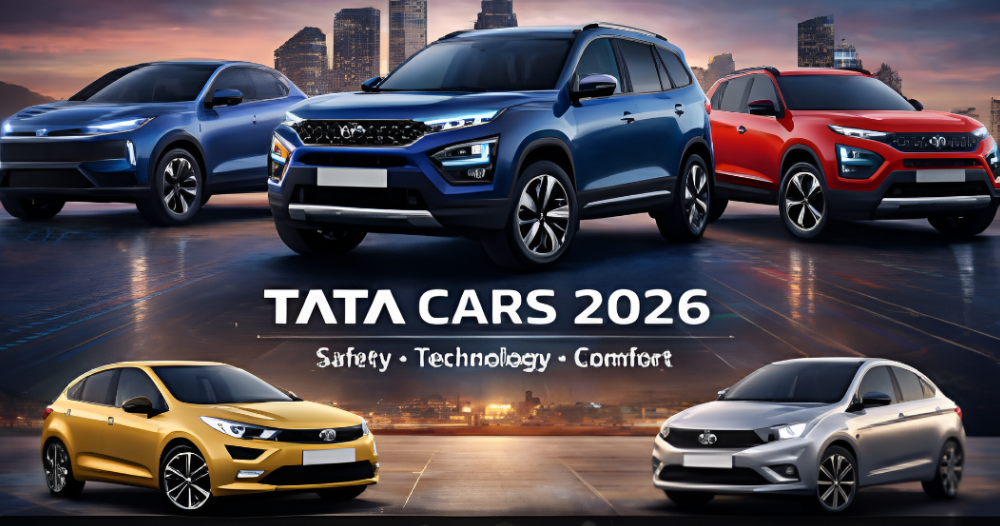
Tata Cars 2026: New Launches Every Tata Lover Should Know About
Tata Motors is preparing an exciting lineup for 2026, with major updates across SUVs, hatchbacks, sedans, and electric vehicles. The upcoming range reflects the brand’s clear focus on better safety, modern technology, improved performance, and future-ready mobility. For buyers who follow Tata closely, 2026 could be a year packed with meaningful upgrades rather than small cosmetic changes. From the premium and spacious Safari to the stylish Harrier, Tata is expected to refine its popular SUVs with enhanced features, improved cabin quality, and advanced safety systems like ADAS. At the same time, the Curvv EV is likely to push Tata’s electric vision forward with a futuristic design and practical driving range for Indian roads. In the more affordable segments, the Tigor and Altroz are expected to receive updated styling, smarter infotainment systems, and better everyday usability. These models will continue to target buyers who want strong build quality and value for money without stretching their budget.
Read More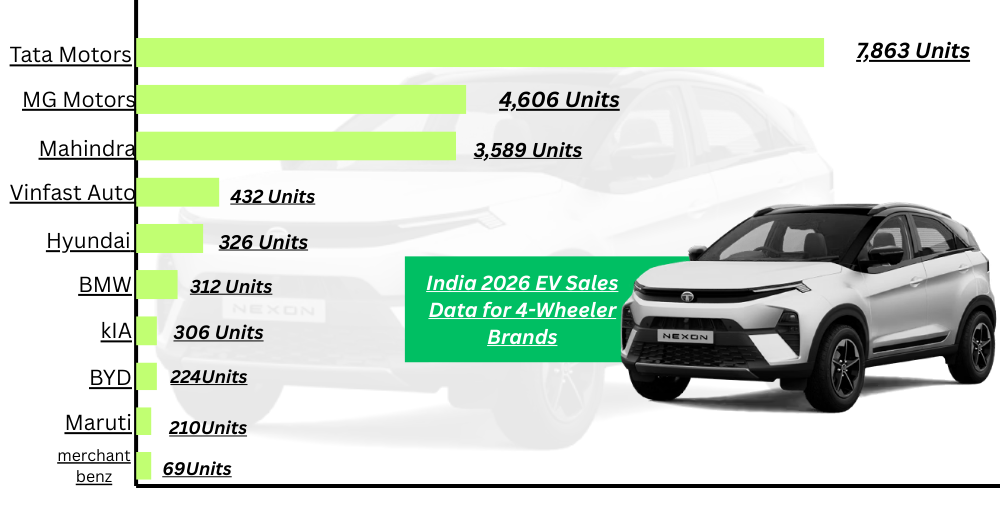
India 2026 EV Sales Data for 4-Wheeler Brands
India’s electric vehicle market is no longer just “growing.” It is evolving. And 2026 is shaping up to be a defining year for electric four-wheelers in the country. With more model choices, better charging access, and rising fuel costs, buyers are now seriously considering EVs as their primary vehicle. The latest January 2026 sales data clearly shows how the competition is shaping up among India’s top 4-wheeler EV brands. In this blog, we break down the official brand-wise sales numbers, analyze market trends, and understand what this means for the future of electric cars in India.
Read More.png)
Huge Discounts on Cars in 2026: Save from INR 30K to INR 1 Lakh+ on Top Models
The Indian automobile market in 2026 is shaping up to be a buyer’s market. With manufacturers pushing sales through aggressive pricing strategies, car buyers now have access to huge discounts ranging from INR 30K to well over INR 1 lakh on some of the most popular and premium cars in India. From luxury SUVs to rugged off-roaders and family-friendly vehicles, brands like Toyota, Hyundai, Tata, and Mahindra are offering attractive deals that make this one of the best times to buy a new car. These offers are a mix of cash discounts, exchange bonuses, and dealer-level benefits, depending on the model and location. If you’ve been waiting for the right moment to upgrade or invest in a premium vehicle, 2026 could be your year.
Read More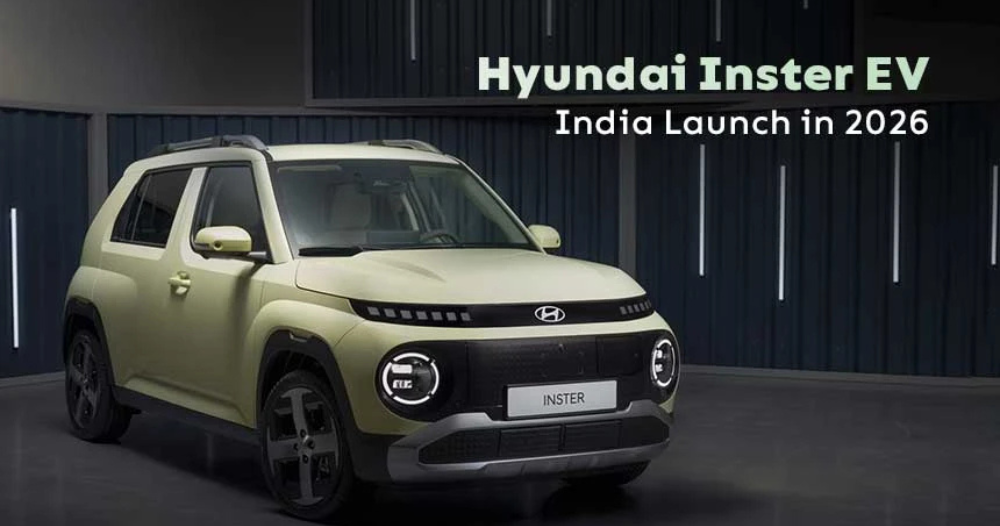
Meet the Hyundai Inster – A Small Electric Car With Big Surprises
Electric cars are no longer just about being eco-friendly. Buyers today want style, practicality, range, and features that actually make daily driving easier. Hyundai seems to understand this shift very well, and the Hyundai Inster is proof of that. At first glance, the Inster looks like a compact city EV. But spend a little time with it, and you realize it offers far more than its size suggests. From clever interior space to impressive electric range, the Hyundai Inster is designed for modern urban drivers who want an affordable and capable electric vehicle without compromise. Let’s take a closer look at what makes the Hyundai Inster a small electric car with genuinely big surprises.
Read More (1).png)
India-EU FTA Boosts Luxury Car Market with Major Import Duty Cuts
India has taken a bold step to open its premium automobile market to European luxury carmakers. Under the newly concluded India-EU Free Trade Agreement (FTA), the country will immediately slash import duties on high-end European cars from a staggering 110% to 30%, marking one of the most significant policy shifts in India’s luxury car segment. This move is expected to benefit global brands such as BMW, Mercedes-Benz, Audi, Porsche, Ferrari, Lamborghini, and Volvo, while still safeguarding domestic players in the EV and mass-market segments.
Read MoreSubscribe Now
Want to Know more about Upcoming and New
Cars… Ask Us!