Things to Consider Before Buying a Used Car
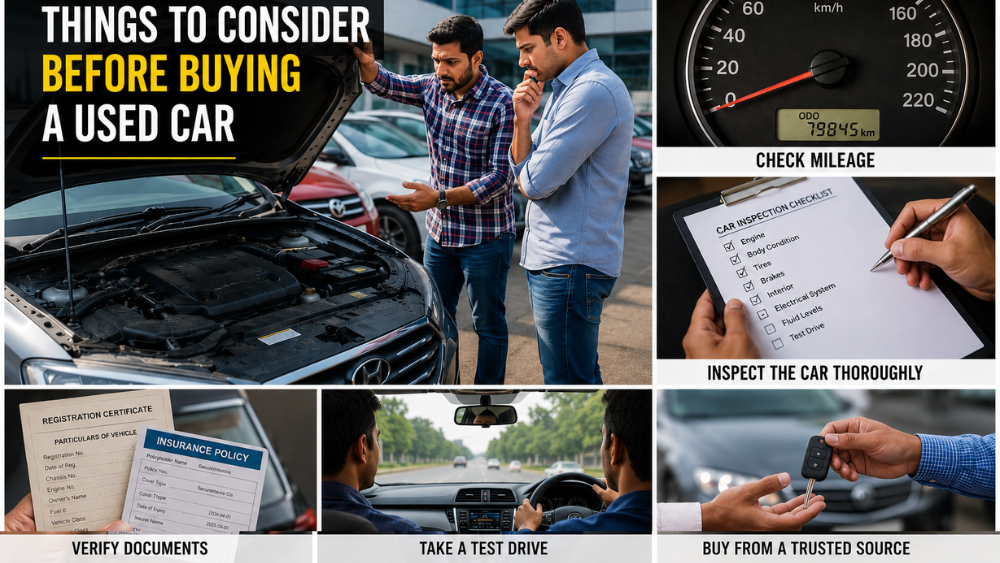
DETAILS
Why Used Cars Are Becoming Popular in India
- Lower purchase cost compared to a new car
- Slower depreciation rate
- Lower insurance premiums
- Wider range of options within budget
- Possibility of buying premium models at affordable prices
- Reduced waiting periods compared to new cars
Important Things to Consider Before Buying a Used Car
| Expense Type |
Estimated Cost
|
| Registration Transfer | ₹5,000 – ₹20,000 |
| Insurance Renewal |
₹8,000 – ₹40,000
|
| Repairs & Maintenance |
Depends on condition
|
| Road Tax (if applicable) |
Varies by state
|
| Accessories & Upgrades |
Optional
|
| Car Type |
Best For
|
| Hatchback |
City driving and small families
|
| Sedan |
Comfortable highway travel
|
| SUV |
Large families and rough roads
|
| Compact SUV |
Balanced city and highway usage
|
| Luxury Car |
Premium features and comfort
|
- 2 to 5 years old is generally considered the best option
- Cars under warranty are safer choices
- Older luxury cars may have expensive maintenance costs
- Uneven paint finish
- Scratches and dents
- Rust near doors and wheel arches
- Condition of headlights and taillights
- Windshield cracks
- Tyre wear patterns
- Seat condition
- Dashboard quality
- Touchscreen and infotainment system
- AC cooling performance
- Steering wheel wear
- Power windows
- Sunroof operation
- Instrument cluster warning lights
| Odometer Reading |
Vehicle Condition
|
| Under 30,000 km |
Excellent
|
| 30,000 – 60,000 km | Good |
| 60,000 – 1,00,000 km |
Average
|
| Above 1,00,000 km |
Higher maintenance expected
|
- Regular maintenance history
- Accident repairs
- Engine-related problems
- Oil change intervals
- Parts replacement history
- Smooth engine sound
- No excessive smoke from exhaust
- No oil leakage
- Quick engine start
- Stable idling
- Gear shifting smoothness
- Brake performance
- Steering response
- Engine noise
- Suspension comfort
- Vibrations at high speed
- Pickup and acceleration
| Required Document |
Purpose
|
| RC (Registration Certificate) |
Ownership proof
|
| Insurance Papers |
Valid insurance details
|
| Pollution Certificate (PUC) |
Emission compliance
|
| Service Records |
Maintenance history
|
| Loan Clearance Certificate |
Confirms no pending loan
|
| NOC (if required) |
Interstate transfer approval
|
- Comprehensive or third-party insurance
- Claim history
- Insurance expiry date
- No Claim Bonus (NCB) details
| Ownership Type |
Buyer Preference
|
| First Owner | Highly Preferred |
| Second Owner |
Acceptable
|
| Third Owner or More |
Lower Resale Value
|
- Model year
- Condition
- Kilometres driven
- Service history
- Variant and features
- Location
- Availability of spare parts
- Service network
- Annual maintenance cost
- Fuel efficiency
- Authorized dealerships
- Certified used car programs
- Online car platforms
- Individual owners
- Warranty coverage
- Quality inspection
- Easy financing options
- Vehicle verification
Common Mistakes to Avoid When Buying a Used Car
- Buying without inspection
- Ignoring service history
- Skipping the test drive
- Trusting verbal promises only
- Not checking accident history
- Finalizing without document verification
Best Tips for First-Time Used Car Buyers
- Always compare multiple cars before buying
- Get the car inspected by a mechanic
- Check online reviews of the model
- Negotiate confidently
- Verify documents carefully
- Avoid deals that seem too cheap
Latest News







Latest cars
Rs.8.40 Lakh - 15.50 Lakh
Rs.13.60 Lakh - 15.00 Lakh
Rs.11.00 Lakh - 15.50 Lakh
Rs.40.00 Lakh - 45.00 Lakh
Rs.1.78 Cr - 2.08 Cr
Upcoming cars
Rs.12.04 Lakh - 16.15 Lakh
.jpg)
Rs.8.50 Lakh - 8.50 Lakh
Rs.90.00 Lakh - 1.15 Cr
Rs.50.00 Lakh - 60.00 Lakh
Rs.28.00 Lakh - 35.00 Lakh
More Related News
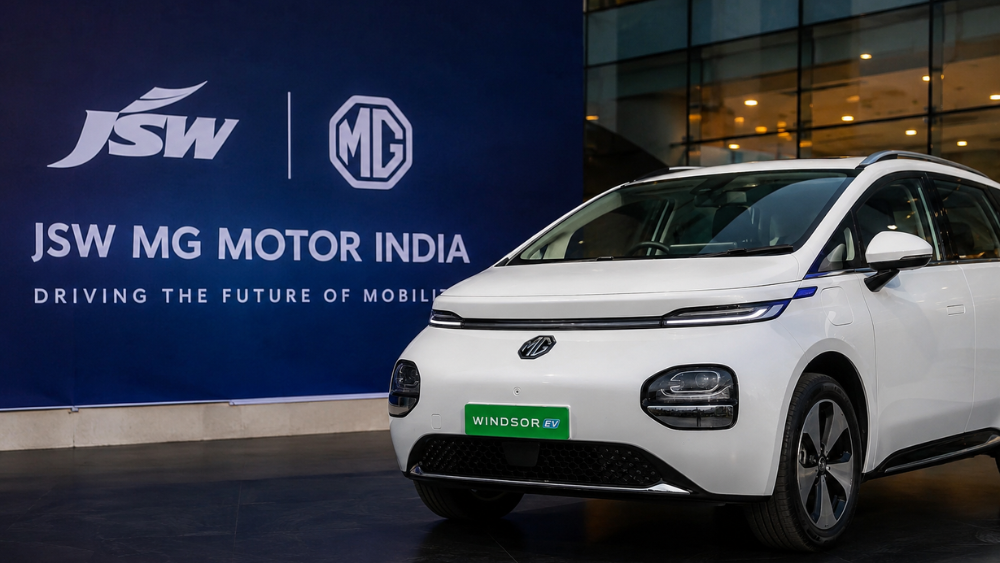
JSW Motors Entering the Indian Passenger Vehicle Market: A New Chapter for India's Automobile Industry
India's passenger vehicle market is evolving at an incredible pace. With increasing demand for electric vehicles (EVs), connected mobility, and premium SUVs, several global and domestic companies are investing heavily in the country. One of the biggest developments in recent years is the entry of JSW Group into the passenger vehicle business. Known for its leadership in steel, energy, infrastructure, cement, and manufacturing, the JSW Group has now expanded into the automotive sector through JSW MG Motor India, marking a significant milestone in India's automobile industry. The move is expected to strengthen India's EV ecosystem, increase local manufacturing, generate employment, and provide consumers with more technologically advanced vehicles. This article explores everything you need to know about JSW Motors' entry into India's passenger vehicle market, including its strategy, investments, manufacturing plans, future models, and what it means for Indian buyers.
Read More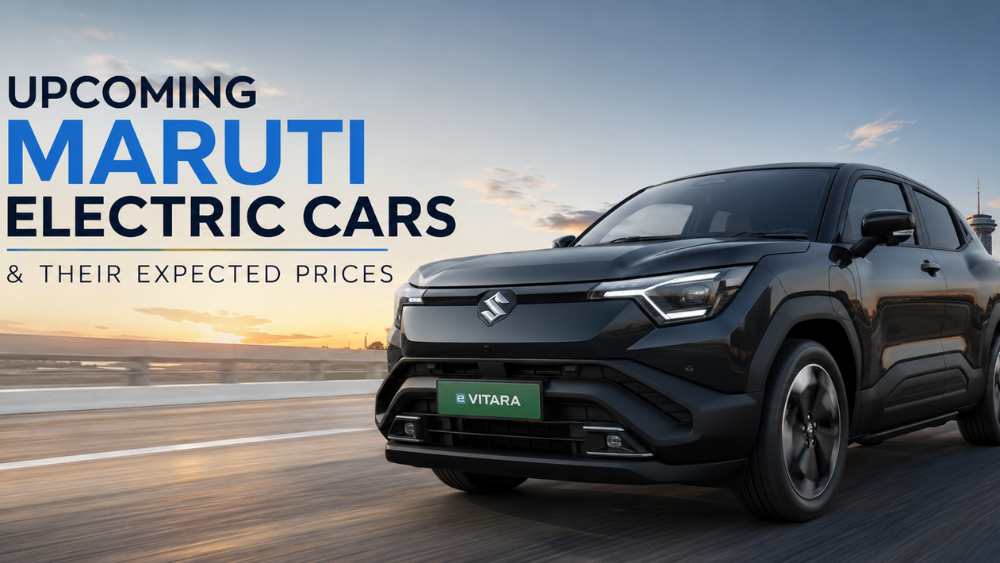
Upcoming Maruti Electric Cars and Their Expected Prices: Everything You Need to Know
India's electric vehicle (EV) market is evolving rapidly, and one name that millions of Indian buyers have been eagerly waiting for is Maruti Suzuki. Known for offering reliable, fuel-efficient, and budget-friendly cars, the company is finally entering the electric mobility segment with a dedicated lineup of battery-powered vehicles. With increasing fuel prices, government incentives, expanding charging infrastructure, and growing environmental awareness, Maruti Suzuki believes that electric vehicles will become a significant part of India's automotive future. Rather than rushing into the EV market, the company spent years testing technologies, understanding customer expectations, and developing products suited specifically for Indian roads and weather conditions. If you're planning to purchase an electric car in the coming years, here's everything you need to know about the upcoming Maruti electric cars, their expected prices, specifications, launch timelines, and what buyers can expect.
Read More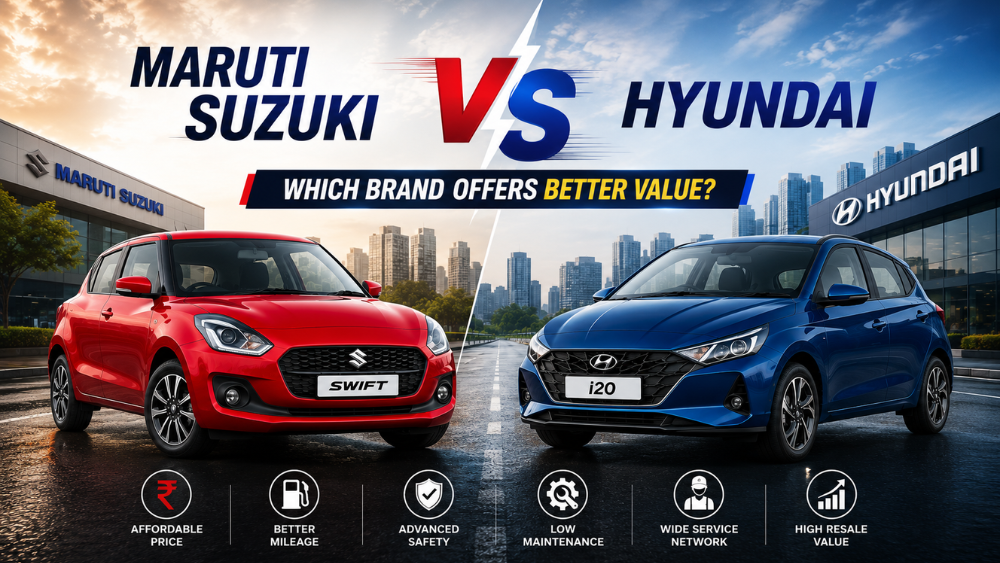
Maruti Suzuki vs Hyundai: Which Brand Offers Better Value
Buying a new car is one of the biggest financial decisions for most Indian families. With dozens of models available in every segment, choosing the right brand often becomes more difficult than selecting the car itself. Among all automobile manufacturers in India, Maruti Suzuki and Hyundai continue to dominate the market. Whether you're searching for your first hatchback, a premium SUV, or a comfortable family sedan, these two brands almost always appear at the top of every buyer's shortlist.
Read More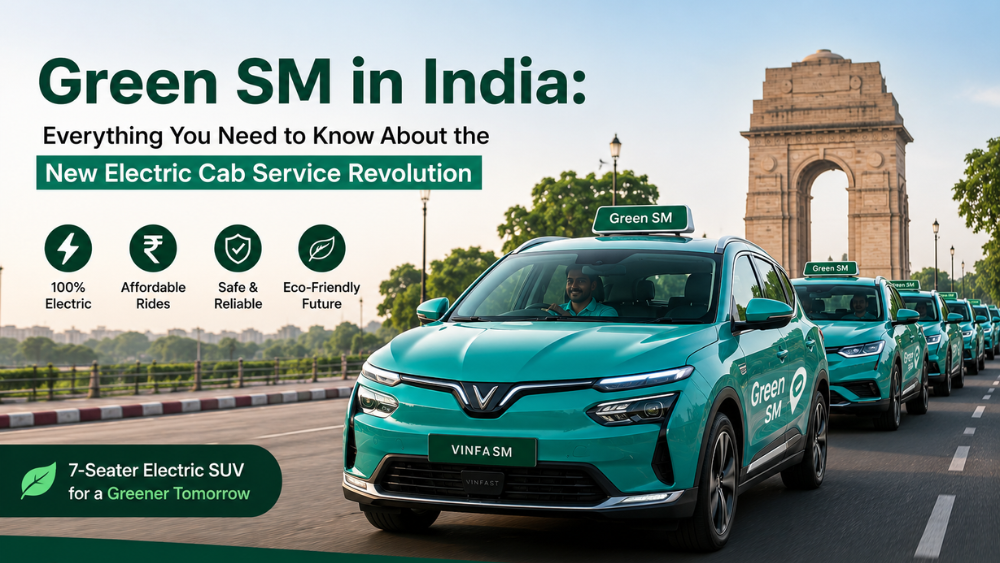
Green SM in India: Everything You Need to Know About the New Electric Cab Service Revolution
India's automotive industry is witnessing one of its biggest transformations as electric mobility continues to gain momentum. From personal EVs to commercial electric fleets, the country is embracing cleaner and smarter transportation solutions. Adding to this exciting shift is Green SM, a Vietnamese electric mobility company that has officially entered the Indian market with its all-electric cab services. The arrival of Green SM has generated significant interest among car enthusiasts, EV supporters, and daily commuters alike. While many people assume Green SM is a car manufacturer, it is actually an electric mobility and ride-hailing service provider that operates a fleet of electric vehicles to deliver sustainable transportation.
Read More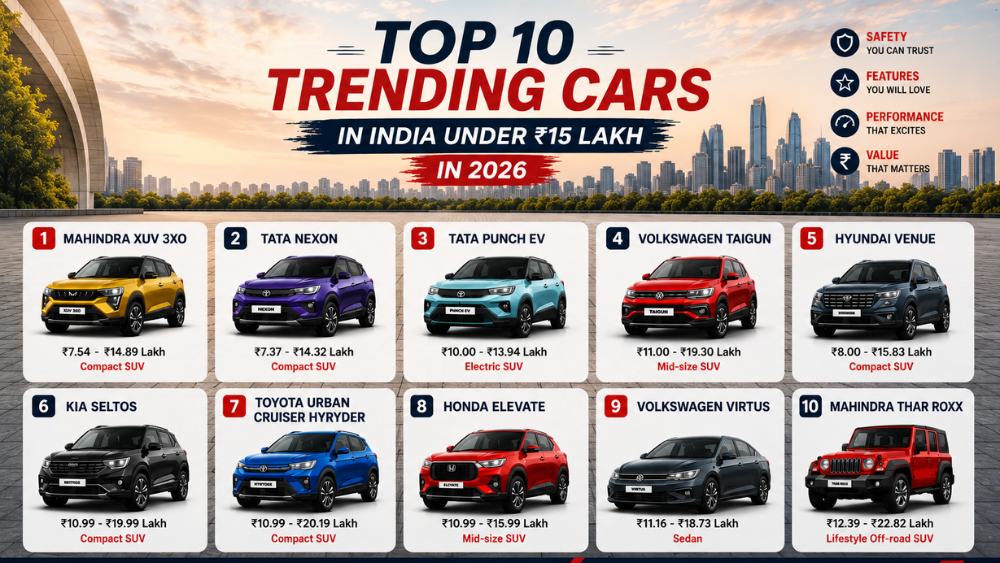
Top 10 Trending Cars in India Under ₹15 Lakh in 2026
The Indian automobile market in 2026 is more exciting than ever before. From feature-packed compact SUVs and practical family cars to stylish sedans and electric vehicles, buyers have plenty of excellent options under a reasonable budget. With rising demand for safety, technology, fuel efficiency, and premium features, manufacturers are continuously introducing vehicles that offer exceptional value for money If you're planning to buy a new car without stretching your budget beyond ₹15 lakh, this guide covers some of the most trending and popular choices in India. Whether you're a first-time buyer, a family-oriented customer, or someone looking for an SUV with modern features, these cars deserve a place on your shortlist.
Read More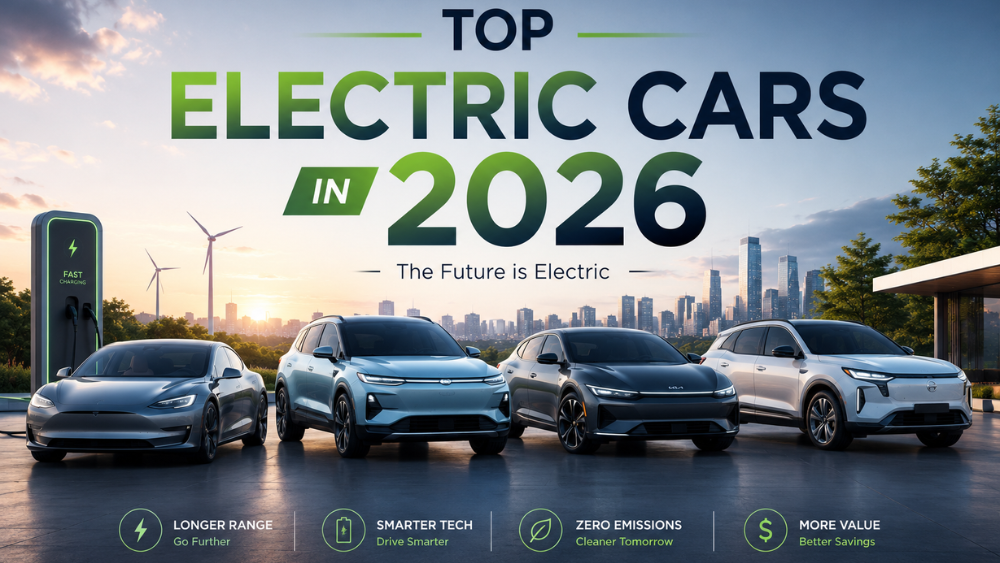
Top Electric Cars in 2026: Best EVs From Every Major Car Brand
The automobile industry is entering a new era where electric cars are no longer considered futuristic — they are becoming the preferred choice for millions of drivers around the world. In 2026, electric vehicles (EVs) are smarter, faster, more affordable, and more practical than ever before. Rising fuel prices, government incentives, better charging infrastructure, and growing environmental awareness are pushing consumers toward cleaner transportation options. Today, almost every major automobile manufacturer offers electric vehicles ranging from compact city cars to luxury electric SUVs and high-performance sedans. Whether you are looking for a budget-friendly EV for daily commuting or a premium electric car with advanced technology and long driving range, the EV market now has something for everyone. In this detailed guide, we explore the top electric cars in 2026 from leading global brands, compare their features, discuss the benefits of EV ownership, and help buyers understand what to consider before purchasing an electric vehicle.
Read MoreSubscribe Now
Want to Know more about Upcoming and New
Cars… Ask Us!