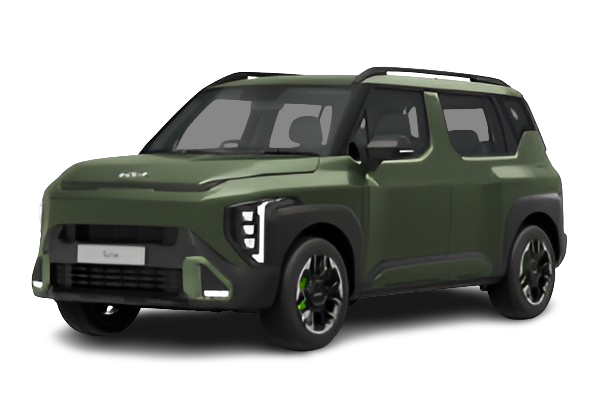
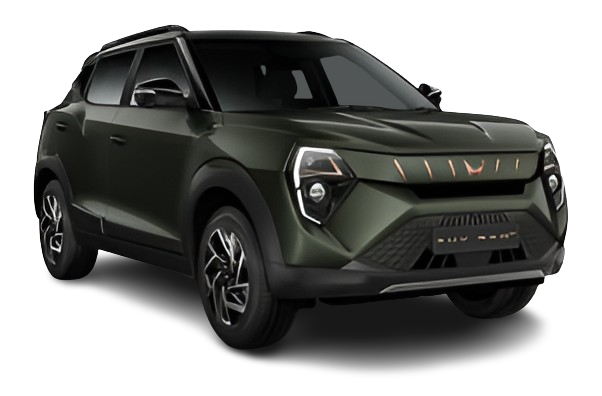
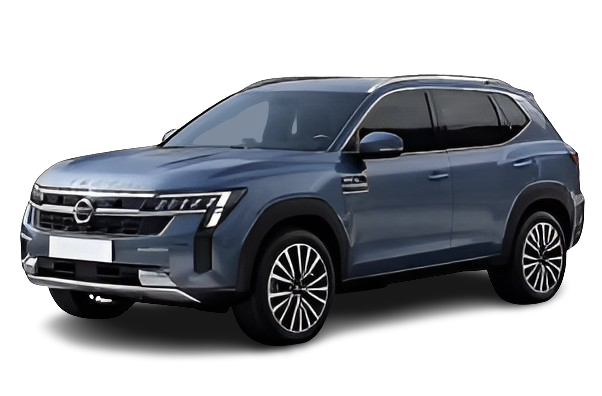
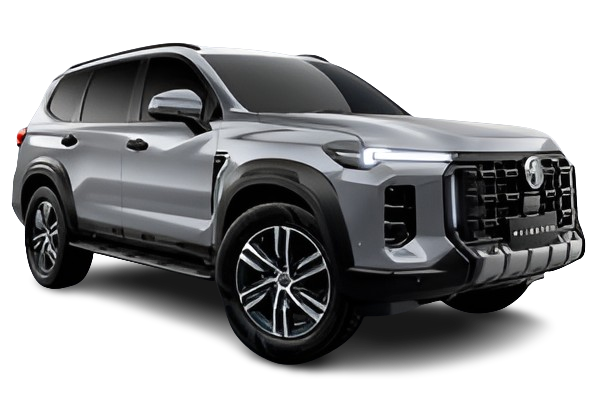
Upcoming Electric SUVs in India

Electric cars, also known as EVs (Electric Vehicles), are transforming the way we think about driving. Unlike traditional cars that run on petrol or diesel, electric cars are powered entirely by electricity stored in a rechargeable battery. This means zero tailpipe emissions, significantly lower running costs, and a much quieter, smoother driving experience. As battery technology improves, modern EVs now offer impressive range, fast charging capabilities, and smart features like regenerative braking and connected infotainment systems. 
 
Upcoming Electric SUVs in India
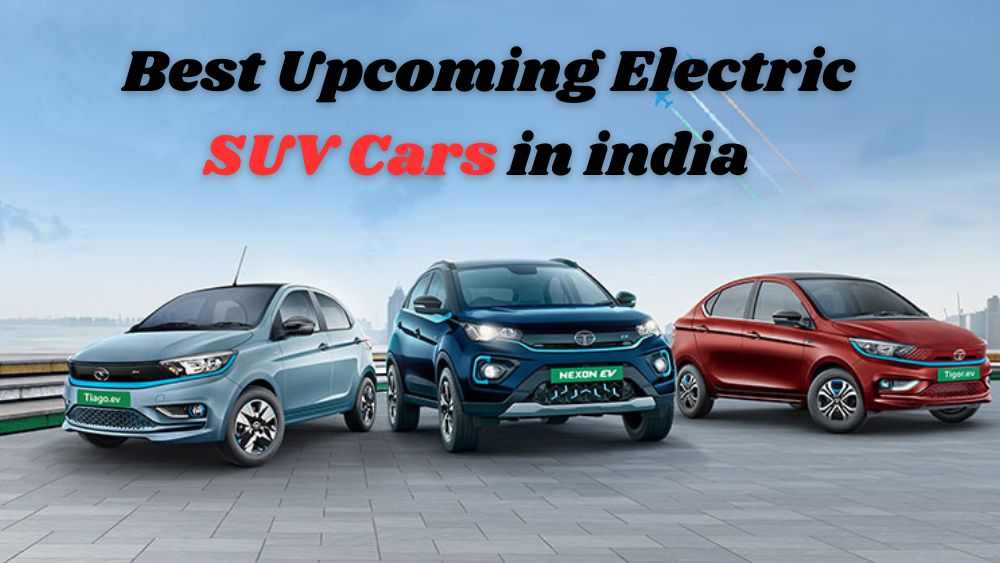
DETAILS

In India, the shift toward electric cars is gaining serious momentum thanks to rising fuel prices, increased environmental awareness, government subsidies, and growing charging infrastructure. Whether you're a city commuter or a weekend road tripper, electric cars are quickly becoming a practical, eco-friendly, and future-ready choice for all kinds of drivers.
 
Here’s a closer look at the upcoming electric SUVs in India that are worth keeping an eye (and maybe even a booking amount) on.
 
1. Tata Curvv EV
 
  • Expected Launch: Early 2025
  • Estimated Price: ₹20 – ₹25 lakh
  • Expected Range: 400–500 km (on a full charge)
 
Tata Motors has been a leading in India’s electric vehicle space, and the Curvv EV is proof that they’re not slowing down. This upcoming electric SUV is based on Tata’s new Gen2 EV platform, which means improved efficiency, enhanced performance, and more flexibility in design.
 
What makes the Curvv EV truly stand out is its unique coupe-like SUV silhouette — a bold departure from conventional SUV styling. With sharp lines, a sloping roofline, and a confident road presence, it looks futuristic without being over-the-top. This makes it ideal for buyers who want something modern, sporty, and practical all in one.
 
Inside, the Curvv is expected to offer a premium cabin with a large touchscreen infotainment system, digital driver display, wireless connectivity, and Tata’s latest ADAS (Advanced Driver Assistance Systems) for added safety and convenience. Whether you're navigating city traffic or cruising on the highway, it promises a smooth, silent, and confident drive.
 
With an expected range of 400–500 km, the Curvv EV will easily handle daily commutes and even weekend getaways without frequent charging stops. And with Tata’s expanding EV service and charging network, owning this SUV will be both convenient and cost-effective.
 
 
2. Hyundai Creta EV
 
  • Expected Launch: Mid to Late 2025
  • Estimated Price: ₹22 – ₹25 lakh
  • Expected Range: Around 450 km (on a single charge)
 
The Hyundai Creta has been one of India’s most trusted and best-selling SUVs for years — and now, it's going electric. With the Creta EV, Hyundai plans to offer the same winning formula of comfort, practicality, and value, but with a greener, more sustainable twist.
 
What makes this launch exciting is that Hyundai isn’t starting from scratch. They’re building on the trusted Creta platform, meaning customers can expect a similar driving position, spacious interiors, and well-balanced performance — just without the fuel stops. The EV version will likely come with a refreshed exterior design, EV-specific styling cues, and advanced features tailored for the electric driving experience.
 
Inside, buyers can look forward to Hyundai’s signature comfort, connected tech, a digital cockpit, and possibly even ADAS features that enhance both safety and convenience. And thanks to Hyundai’s global EV experience (with models like the Ioniq 5 and Kona Electric), you can expect a smooth and refined driving feel with responsive acceleration and minimal cabin noise.
 
With an estimated range of around 450 km, the Creta EV is expected to handle everything from daily city commutes to intercity drives with ease. Hyundai’s fast-growing charging ecosystem and reliable service network will only make ownership smoother.
 
 
3. BYD Seal U SUV
 
  • Expected Launch: 2025
  • Expected Price: ₹45 – ₹50 lakh
  • Estimated Range: Up to 500 km (on a full charge)
 
While BYD (Build Your Dreams) may still sound new to many Indian car buyers, it's actually one of the biggest electric vehicle manufacturers in the world, with a strong presence in Europe, China, and other global markets. And now, BYD is bringing its premium all-electric SUV – the Seal U – to India, aiming to impress buyers looking for performance, luxury, and sustainability in one elegant package.
 
The Seal U SUV is designed for those who appreciate refined interiors, smooth electric power, and the latest technology. It’s not just a good-looking SUV; it’s a sophisticated EV built for comfort and convenience. From premium materials and soft-touch surfaces to large infotainment screens and an intuitive cabin layout, everything inside the Seal U is meant to feel high-end and futuristic.
 
With a range of up to 500 km, the Seal U offers enough battery power for long journeys, weekend getaways, and daily commutes without the constant need to charge. Plus, BYD’s reputation for battery safety and innovation is globally recognized — including its own Blade Battery technology, which is known for durability and enhanced safety.
 
Already a strong performer in Europe, the Seal U is expected to bring that same global quality to India’s premium EV segment. For buyers who want to stand out from the usual luxury crowd and try something new — without compromising on tech or performance — the BYD Seal U SUV could be a smart, forward-thinking choice.
 
 
4. Kia EV9
 
  • Expected Launch: Mid-2025
  • Expected Price: ₹80 – ₹90 lakh
  • Estimated Range: Up to 540 km (on a single charge)
 
If you thought electric vehicles were only about being eco-friendly, the Kia EV9 is here to prove that they can also be bold, luxurious, and incredibly powerful. This full-size, three-row electric SUV is one of Kia’s most ambitious projects yet — and it’s headed straight for India’s luxury EV segment.
 
Right from the first glance, the EV9 makes a statement. With its striking design language, futuristic LED lighting, and a muscular yet minimalistic body, it looks like a concept car brought to life. But it’s not just about appearances. Underneath its sculpted exterior lies some of the most advanced EV technology Kia has to offer.
 
Step inside, and the EV9 feels more like a lounge on wheels. Expect premium upholstery, a panoramic digital dashboard, ambient lighting, rotating second-row seats, and possibly even reclining options for rear passengers. It's designed for families who prioritize space, tech, and comfort — all while reducing their carbon footprint.
 
Performance-wise, the Kia EV9 won’t disappoint. With an estimated range of up to 540 km, it’s built for long drives and family adventures. Plus, it supports ultra-fast charging, which means less time plugged in and more time on the road. Kia has also packed in the latest ADAS (Advanced Driver Assistance Systems) and safety features to make every journey smooth and secure.
 
 
SUV Model
 
Launch Timeline
 
Price Range
 
Estimated Range
 
Tata Curvv EV
 
Early 2025
 
₹20 – ₹25 lakh
 
400–500 km
 
Hyundai Creta EV
 
Mid–Late 2025
 
₹22 – ₹25 lakh
 
~450 km
 
BYD Seal U
 
2025
 
₹45 – ₹50 lakh
 
Up to 500 km
 
Kia EV9
 
Mid-2025
 
₹80 – ₹90 lakh
 
Up to 540 km


Why Everyone’s Talking About Electric SUVs in India
 
So, why the sudden surge in interest around electric SUVs? Here’s why more Indian buyers are considering this shift:
 
  • High Ground Clearance: Perfect for potholes and monsoon roads
  • Roomy Interiors: Comfort for families and long drives
  • Impressive Range: New models eliminate range anxiety
  • Lower Running Costs: Say goodbye to petrol bills
  • Charging Infrastructure is Growing: More stations, faster charging
 
Add to that the reduced maintenance costs, tax benefits, and government subsidies — and owning an electric SUV suddenly makes a lot of financial and practical sense.


Should You Wait or Buy an EV SUV Now?
 
If you’re in a hurry, great options like the Tata Nexon EV, MG ZS EV, and Hyundai Kona Electric are already available. But if you can wait just a few more months, 2025 is shaping up to be a blockbuster year for EV launches. With newer platforms, better battery tech, and more affordable price tags, the upcoming lineup is hard to ignore.
 
 
Which one should I buy? Whether you’re looking for a premium SUV with luxury comforts or an affordable daily driver with long range, there’s something coming for everyone.
 
So, if you’ve been on the fence about switching to electric — this might be the perfect time to plan your move. The future is electric, and it’s coming fast. 
 
Get  the latest electric SUV launches,Perfect deals, offers and a good value only on 99caars — your trusted destination for all things cars. 
 

More Related News

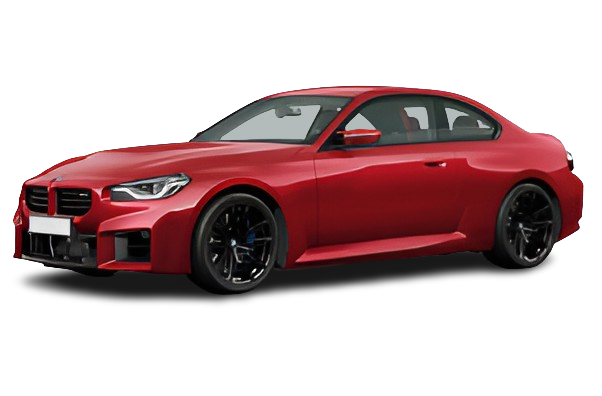
BMW vs Top 5 Luxury Cars in India: The One That’s Actually Worth It

BMW vs Top 5 Luxury Cars in India: The One That’s Actually Worth It

The luxury car market in India has evolved rapidly, with buyers now expecting far more than just a premium badge. Today’s luxury car enthusiasts look for a perfect balance of performance, comfort, cutting-edge technology, brand value, and long-term reliability. In this competitive space, BMW has established itself as a driver-focused brand known for delivering a thrilling yet refined experience—but it’s no longer the only strong contender.   Brands like Mercedes-Benz, Audi, Jaguar, Volvo, and Lexus have stepped up their game, offering equally compelling features, distinctive designs, and advanced innovations that cater to different driving preferences and lifestyles. Each brand brings something unique to the table, whether it’s unmatched comfort, futuristic technology, superior safety, or electrification.   In this comparison, we take a closer look at BMW and its top five luxury rivals in India, breaking down their strengths, features, and overall value. If you’re planning to invest in a luxury car and wondering which brand truly offers the best return for your money, this guide will help you make a confident and informed decision.  

Read More
Top 20 SUV Cars in India (2026) – Why Everyone Is Buying Them

Top 20 SUV Cars in India (2026) – Why Everyone Is Buying Them

In recent years, the Indian automotive landscape has undergone a massive transformation—and at the center of this change is the rising dominance of SUVs. In 2026, SUVs are no longer just a preference; they have become the default choice for Indian car buyers.   From young professionals in metro cities to large families in tier-2 and tier-3 towns, everyone is shifting toward SUVs. The reason is simple—modern SUVs combine style, practicality, safety, and performance in a way that no other segment currently matches.   In this comprehensive guide on the Top 20 SUV Cars in India (2026), we not only list the most popular models but also explain why SUVs are dominating the market and which cars are truly worth considering.  

Read More
Top 10 Electric Cars in India (2026): Price, Specifications & Features

Top 10 Electric Cars in India (2026): Price, Specifications & Features

In 2026, the EV market is evolving faster than ever, with new launches, futuristic concepts, and long-range electric SUVs entering the scene. The electric cars in India 2026 segment has rapidly expanded, offering everything from budget-friendly EVs to high-end luxury electric vehicles. If you’re planning to switch to an EV, this guide covers the top 10 latest electric cars in India (2026) along with price, range, specifications, and features.

Read More
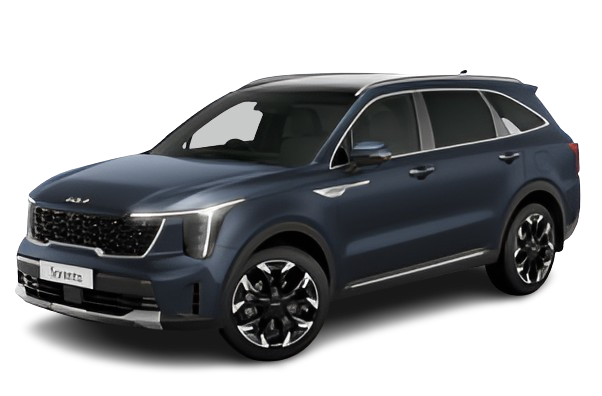
Kia India 2026: Cheapest to Most Expensive Models & Sales Growth

Kia India 2026: Cheapest to Most Expensive Models & Sales Growth

In 2026, Kia India delivered one of its strongest yearly performances since entering the Indian market. The company recorded approximately 2.81 lakh units in total sales, marking an impressive 15–18% year-on-year growth compared to 2025.   This wasn’t just growth on paper. It reflected stronger demand across both SUV and MPV segments, where Kia has built a solid reputation. From metro cities to fast-growing Tier-2 and Tier-3 markets, buyers continued choosing Kia for its:   Bold and modern design Feature-rich interiors Advanced safety technology Competitive pricing strategy   Quarterly performance remained steady throughout the year, with Q4 emerging as the strongest period at nearly 79,000+ units sold, driven by festive demand and year-end offers.  

Read More
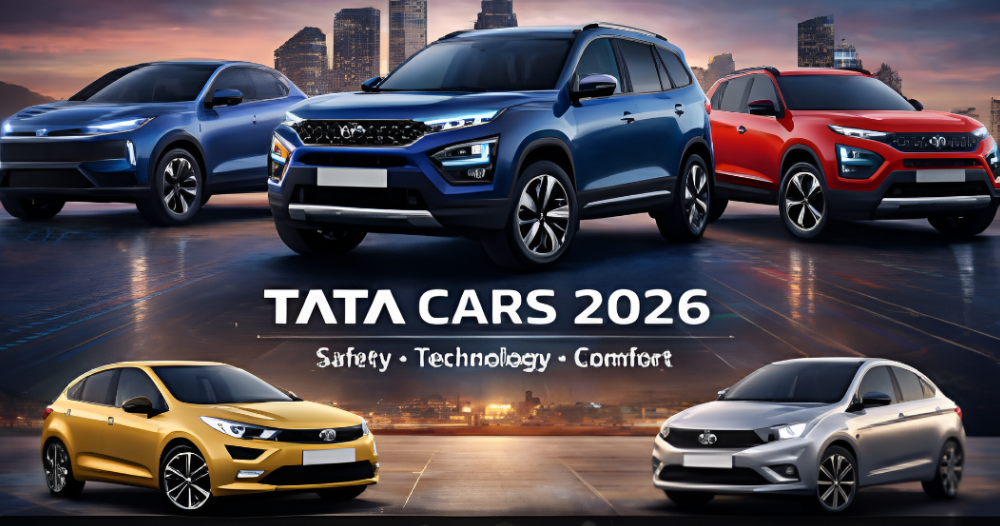
Tata Cars 2026: New Launches Every Tata Lover Should Know About

Tata Cars 2026: New Launches Every Tata Lover Should Know About

Tata Motors is preparing an exciting lineup for 2026, with major updates across SUVs, hatchbacks, sedans, and electric vehicles. The upcoming range reflects the brand’s clear focus on better safety, modern technology, improved performance, and future-ready mobility. For buyers who follow Tata closely, 2026 could be a year packed with meaningful upgrades rather than small cosmetic changes.   From the premium and spacious Safari to the stylish Harrier, Tata is expected to refine its popular SUVs with enhanced features, improved cabin quality, and advanced safety systems like ADAS. At the same time, the Curvv EV is likely to push Tata’s electric vision forward with a futuristic design and practical driving range for Indian roads.   In the more affordable segments, the Tigor and Altroz are expected to receive updated styling, smarter infotainment systems, and better everyday usability. These models will continue to target buyers who want strong build quality and value for money without stretching their budget.  

Read More
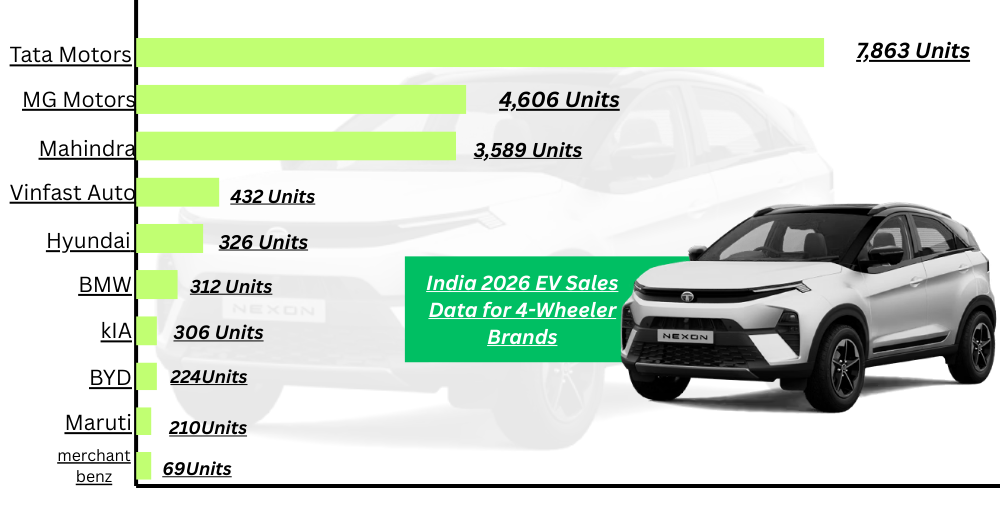
India 2026 EV Sales Data for 4-Wheeler Brands

India 2026 EV Sales Data for 4-Wheeler Brands

India’s electric vehicle market is no longer just “growing.” It is evolving. And 2026 is shaping up to be a defining year for electric four-wheelers in the country.   With more model choices, better charging access, and rising fuel costs, buyers are now seriously considering EVs as their primary vehicle. The latest January 2026 sales data clearly shows how the competition is shaping up among India’s top 4-wheeler EV brands.   In this blog, we break down the official brand-wise sales numbers, analyze market trends, and understand what this means for the future of electric cars in India.  

Read More