GST 2.0 Ignites Diwali Hopes: Auto Companies Aim to Double Sales Figures

DETAILS
What’s New and How It Impacts the Auto Industry
Diwali Season: The Prime Time for Automobile Sales
Auto Companies’ Strategy to Double Sales
- Maruti Suzuki is targeting first-time buyers and small families with aggressive pricing on bestsellers like the Swift and Baleno.
- Hyundai is focusing on urban customers with feature-rich SUVs like the Creta and Venue, paired with attractive exchange schemes.
- Tata Motors is pushing its EV segment, offering strong discounts on the Nexon EV and Punch EV to capture eco-conscious buyers.
- Mahindra is ramping up production for its high-demand SUVs — Scorpio-N and XUV 3XO — to ensure quick deliveries.
- Kia is betting on design and technology, launching special editions of its Sonet and Seltos during the festive window.
|
Brand
|
Festive Focus (2025)
|
Key Models in Demand
|
Offers & Strategy Highlights
|
|
Maruti Suzuki
|
Strengthening hatchback and compact SUV portfolio
|
Swift, Baleno, Brezza
|
Exchange bonuses, instant delivery, discounts up to ₹60,000
|
|
Hyundai
|
Urban premium SUV push
|
Creta, Venue, Alcazar
|
Low-interest EMIs, festive editions, extended warranty offers
|
|
Tata Motors
|
Expanding EV reach and mid-size SUV lineup
|
Nexon EV, Punch EV, Harrier
|
EV discounts, 3-year free service, rural market expansion
|
|
Mahindra
|
Focus on high-demand SUVs and off-road models
|
Scorpio-N, XUV 3XO, Thar
|
Zero down payment, festive accessories, delivery within 15 days
|
|
Kia
|
Targeting young professionals and families
|
Seltos, Sonet, Carens
|
Limited-edition trims, cashback offers, connected car feature upgrades
|
Consumer Sentiment
- Maruti Suzuki Fronx and Brezza for value seekers,
- Hyundai Creta and Venue for tech lovers,
- Tata Punch EV for green buyers,
- Mahindra XUV 3XO for SUV fans, and
- Kia Seltos for those wanting style with substance.
Industry Forecast
Latest News
Most Popular Brands
View ALL Brands







Latest cars
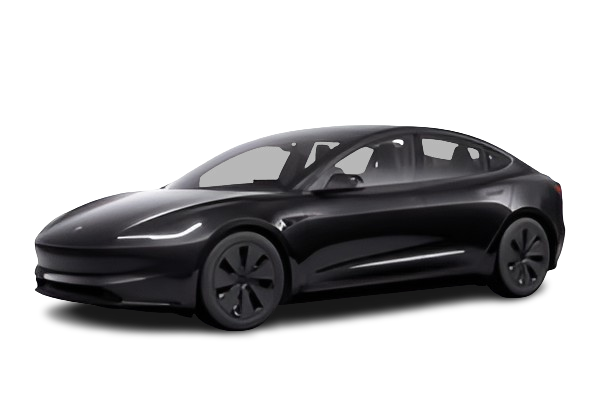
Rs.60.00 Lakh - 70.00 Lakh
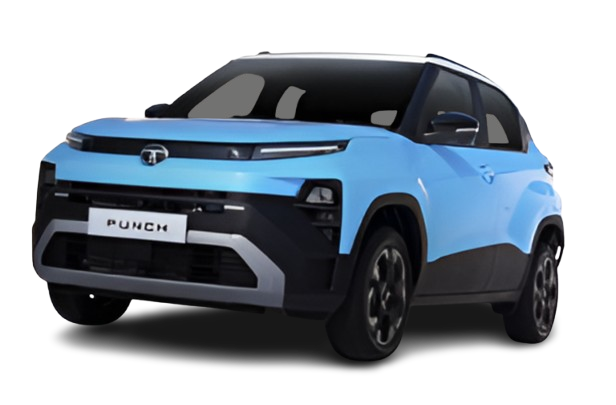
Rs.6 Lakh - 10.50 Lakh
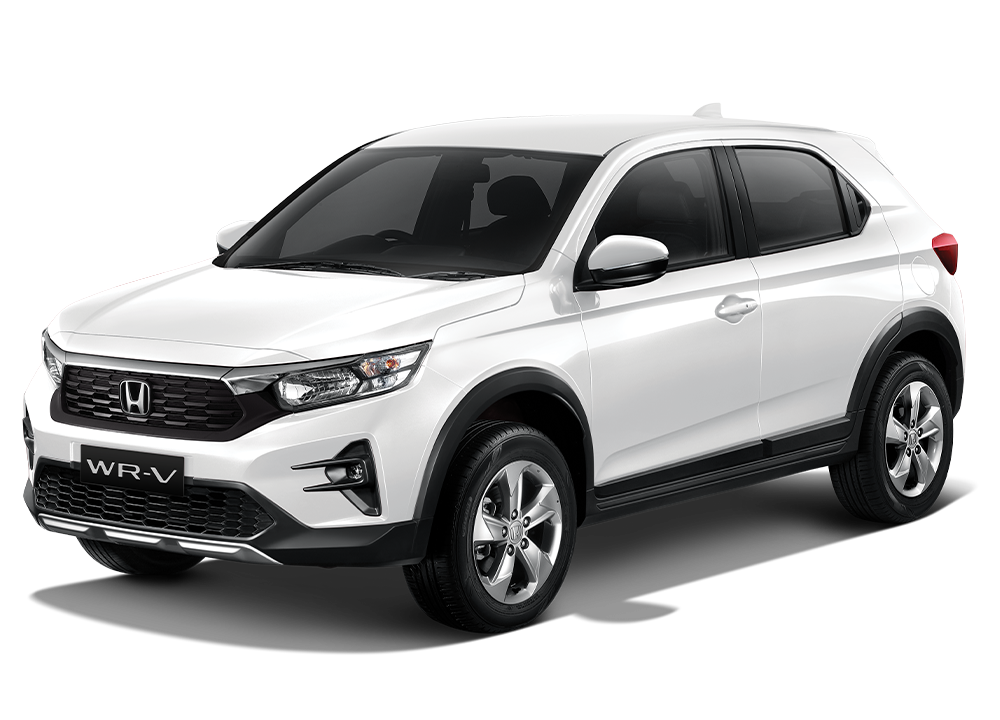
Rs.9 Lakh - 10 Lakh
Rs.19.95 Lakh - 29.95 Lakh
Rs.11.49 Lakh - 20.49 Lakh
Upcoming cars
Rs.9 Lakh - 10 Lakh
Rs.27.00 Lakh - 27.00 Lakh
Rs.1.19 Cr - 2.00 Cr
Rs.6 Lakh - 6.20 Lakh
Rs.50.00 Lakh - 60.00 Lakh
More Related News
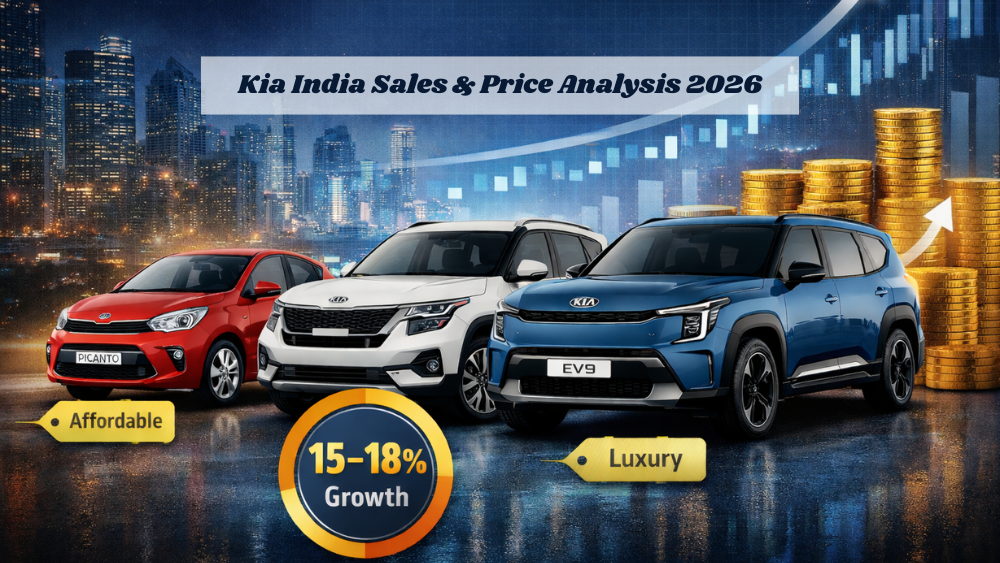
Kia India 2026: Cheapest to Most Expensive Models & Sales Growth
In 2026, Kia India delivered one of its strongest yearly performances since entering the Indian market. The company recorded approximately 2.81 lakh units in total sales, marking an impressive 15–18% year-on-year growth compared to 2025. This wasn’t just growth on paper. It reflected stronger demand across both SUV and MPV segments, where Kia has built a solid reputation. From metro cities to fast-growing Tier-2 and Tier-3 markets, buyers continued choosing Kia for its: Bold and modern design Feature-rich interiors Advanced safety technology Competitive pricing strategy Quarterly performance remained steady throughout the year, with Q4 emerging as the strongest period at nearly 79,000+ units sold, driven by festive demand and year-end offers.
Read More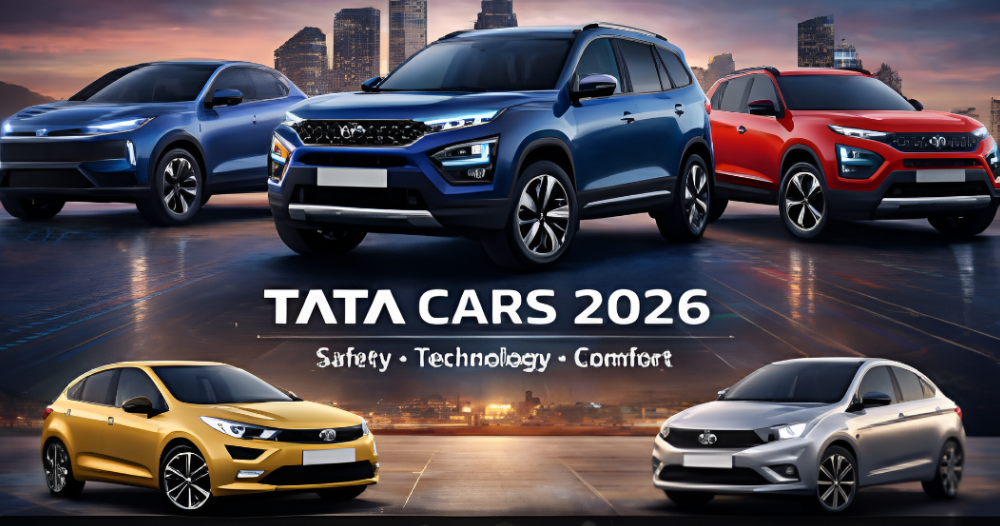
Tata Cars 2026: New Launches Every Tata Lover Should Know About
Tata Motors is preparing an exciting lineup for 2026, with major updates across SUVs, hatchbacks, sedans, and electric vehicles. The upcoming range reflects the brand’s clear focus on better safety, modern technology, improved performance, and future-ready mobility. For buyers who follow Tata closely, 2026 could be a year packed with meaningful upgrades rather than small cosmetic changes. From the premium and spacious Safari to the stylish Harrier, Tata is expected to refine its popular SUVs with enhanced features, improved cabin quality, and advanced safety systems like ADAS. At the same time, the Curvv EV is likely to push Tata’s electric vision forward with a futuristic design and practical driving range for Indian roads. In the more affordable segments, the Tigor and Altroz are expected to receive updated styling, smarter infotainment systems, and better everyday usability. These models will continue to target buyers who want strong build quality and value for money without stretching their budget.
Read More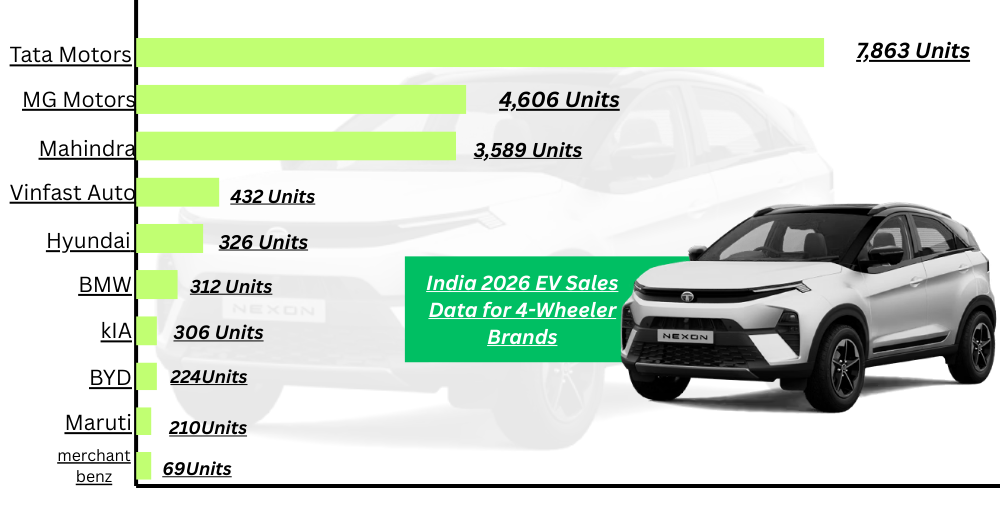
India 2026 EV Sales Data for 4-Wheeler Brands
India’s electric vehicle market is no longer just “growing.” It is evolving. And 2026 is shaping up to be a defining year for electric four-wheelers in the country. With more model choices, better charging access, and rising fuel costs, buyers are now seriously considering EVs as their primary vehicle. The latest January 2026 sales data clearly shows how the competition is shaping up among India’s top 4-wheeler EV brands. In this blog, we break down the official brand-wise sales numbers, analyze market trends, and understand what this means for the future of electric cars in India.
Read More.png)
Huge Discounts on Cars in 2026: Save from INR 30K to INR 1 Lakh+ on Top Models
The Indian automobile market in 2026 is shaping up to be a buyer’s market. With manufacturers pushing sales through aggressive pricing strategies, car buyers now have access to huge discounts ranging from INR 30K to well over INR 1 lakh on some of the most popular and premium cars in India. From luxury SUVs to rugged off-roaders and family-friendly vehicles, brands like Toyota, Hyundai, Tata, and Mahindra are offering attractive deals that make this one of the best times to buy a new car. These offers are a mix of cash discounts, exchange bonuses, and dealer-level benefits, depending on the model and location. If you’ve been waiting for the right moment to upgrade or invest in a premium vehicle, 2026 could be your year.
Read More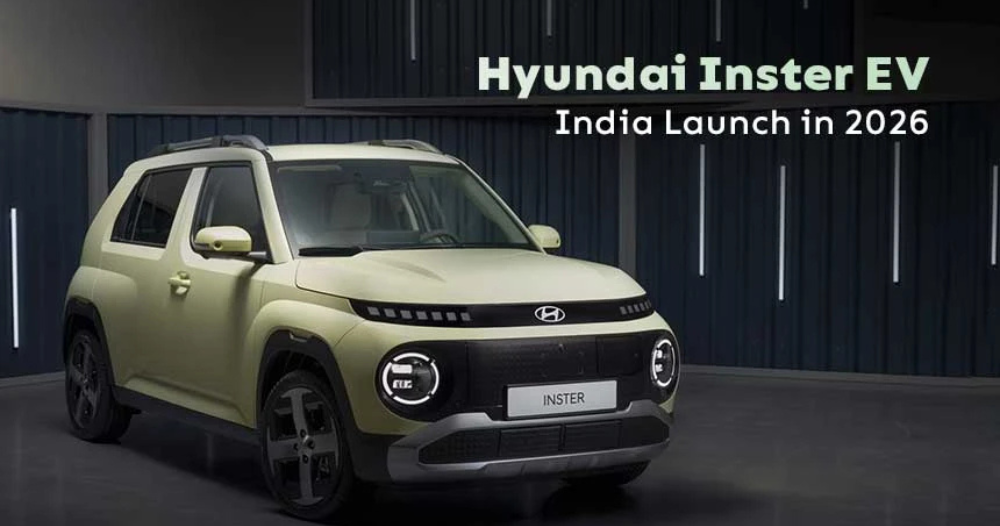
Meet the Hyundai Inster – A Small Electric Car With Big Surprises
Electric cars are no longer just about being eco-friendly. Buyers today want style, practicality, range, and features that actually make daily driving easier. Hyundai seems to understand this shift very well, and the Hyundai Inster is proof of that. At first glance, the Inster looks like a compact city EV. But spend a little time with it, and you realize it offers far more than its size suggests. From clever interior space to impressive electric range, the Hyundai Inster is designed for modern urban drivers who want an affordable and capable electric vehicle without compromise. Let’s take a closer look at what makes the Hyundai Inster a small electric car with genuinely big surprises.
Read More (1).png)
India-EU FTA Boosts Luxury Car Market with Major Import Duty Cuts
India has taken a bold step to open its premium automobile market to European luxury carmakers. Under the newly concluded India-EU Free Trade Agreement (FTA), the country will immediately slash import duties on high-end European cars from a staggering 110% to 30%, marking one of the most significant policy shifts in India’s luxury car segment. This move is expected to benefit global brands such as BMW, Mercedes-Benz, Audi, Porsche, Ferrari, Lamborghini, and Volvo, while still safeguarding domestic players in the EV and mass-market segments.
Read MoreSubscribe Now
Want to Know more about Upcoming and New
Cars… Ask Us!