MG Astor vs Tata Curvv EV Comparisons
Highlight Specifications
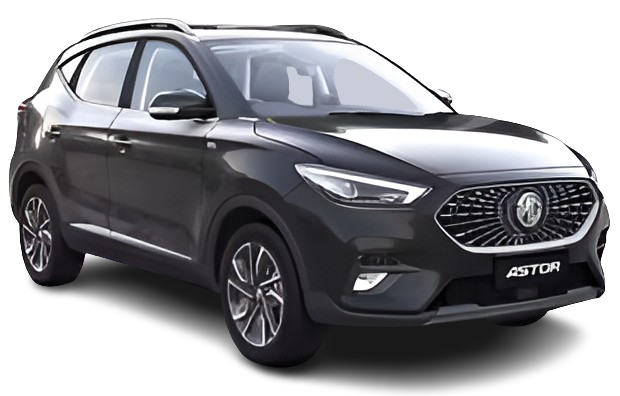
MG Astor
9.79 Lakh - 15.50 Lakh
 (1).jpg)
Tata Curvv EV
16.99 Lakh - 22.24 Lakh
Add car
MG Astor vs Tata Curvv EV Specifications
Key Features
| Overview | MG Astor | Tata Curvv EV | |
|---|---|---|---|
| Car Type | Compact SUV | Compact SUV | |
| Engine(cc)/Battery(Kw) | 1498 CC | 55 kW | |
| Fuel Type | Petrol | Electric | |
| Transmission | Auto+Manual | Auto | |
| Power | 110 | 165 | |
| Seating Capacity | 5 | 5 | |
| Boot Capacity | 488 | 500 | |
| Gearbox | Manual, Automatic | Single-Speed | |
| Mileage | 720 KM | 585 KM |
Engine Capacity
Overview
MG Astor
Tata Curvv EV
| Engine / Battery | 1498 cc |
| Power | 110 PS |
| Torque | 144 Nm |
| Cylinder | 4 |
| Transmission | Manual, Automatic |
| Drivetrain | Front-Wheel Drive |
| Gearbox | 6-Speed |
| 55 kWh |
| 148 hp (45 kWh) / 165 hp (55 kWh) |
| 215 Nm |
| N/A |
| Automatic |
| FWD |
| Single Speed |
Body Specifications
Overview
MG Astor
Tata Curvv EV
| Length | 4323 mm |
| Width | 1809 mm |
| Height | 1650 mm |
| Boot Space | 448 litres |
| Fuel Tank Capacity | 48 litres |
| Ground Clearance Unladen | 205 mm |
| Wheel Base | 2585 mm |
| Kerb Weight | 1250–1350 kg |
| Gross Weight | 1700–1800 kg |
| No. of Doors | 5 |
| No. of Airbags | 6 |
| Steering Type | Electric Power Steering |
| 4310 mm |
| 1810 mm |
| 1637 mm |
| 500 litres |
| Battery Pack |
| 190 mm |
| 2560 mm |
| 1600 kg |
| 2080 kg |
| 5 |
| 6 |
| Power Steering |
Suspension
Overview
MG Astor
Tata Curvv EV
| Suspension Type - Front | MacPherson Strut |
| Suspension Type - Rear | Torsion Beam |
| Torque | 144 Nm |
| Cylinder | 4 |
| Transmission | Automatic, Manual |
| Independent Double Wishbone |
| Multi-link |
| Yes |
| No |
Tires/Wheels
Overview
MG Astor
Tata Curvv EV
| Tyre Size | 215/60 R16 / 215/55 R17 |
| Tyre Type | Tubeless |
| Wheel Size | 16–17 inch |
| Wheel Material | Steel / Alloy |
| 235/60 R18 |
| Tubeless, Radial |
| 16 to 21 inch |
| Alloy |
Brakes
Overview
MG Astor
Tata Curvv EV
| Brake Type | Disc |
| Brake ABS System | Yes |
| Disc - Rear | Yes |
| Disc - Front | Yes |
| Drum - Rear | No |
| Drum - Front | No |
| Ventilated Disc (Front), Drum (Rear) |
| Yes |
| No |
| Yes |
| Yes |
| No |
Interior Key Specifications
Overview
MG Astor
Tata Curvv EV
| Tachometer | Yes |
| Leather Wrapped Steering Wheel | Yes |
| Heated Steering Wheel | Yes |
| Leather wrap gear-shift selector | Yes |
| Glove Box | Yes |
| Digital Cluster | Yes |
| Digital Cluster Size | 7 inch |
| Power Windows | Yes |
| Rear Window Defroster | Yes |
| Steering Wheel Controls | Yes |
| Tilt Steering Wheel | Yes |
| Cup Holder Count | Yes |
| Vantiladed Seats | Yes |
| Integrated Garage Door Opener | Yes |
| Yes |
| Yes |
| No |
| Yes |
| Yes |
| Yes |
| 5.0 to 12.3 inch |
| Yes |
| Yes |
| Yes |
| Yes |
| 2-4 |
| Yes |
| No |
Exterior Key Specification
Overview
MG Astor
Tata Curvv EV
| Adjustable Headlamps | Yes |
| Rain Sensing Wiper | Yes |
| Rear Window Wiper | Yes |
| Rear Window Washer | Yes |
| Rear Window Defogger | Yes |
| Wheel Covers | Yes |
| Alloy Wheels | Yes |
| Rear Spoiler | Yes |
| Outside Rear View Mirror Turn Indicators | Yes |
| Integrated Antenna | Yes |
| Projector Headlamps | Yes |
| Cornering Foglamps | Yes |
| Roof Rails | Yes |
| Fog Lights | Yes |
| Antenna | Shark Fin Type |
| Sunroof | Yes |
| Boot Opening | Yes |
| Outside Rear View Mirror (ORVM) | Yes |
| LED DRLs | Yes |
| LED Headlamps | Yes |
| LED Taillights | Yes |
| LED Fog Lamps | Yes |
| Additional Features | Yes |
| Yes |
| No |
| No |
| No |
| Yes |
| No |
| Yes |
| No |
| Yes |
| Yes |
| No |
| No |
| No |
| Yes |
| Yes |
| No |
| Automatic/Manual |
| Power adjustable, heated |
| Yes |
| No |
| No |
| No |
| Panoramic Sunroof, Level 2 ADAS, 12.3-inch Touchscreen, Ventilated Seats, V2L/V2V Technology |
Safety Key Specification
Overview
MG Astor
Tata Curvv EV
| Blind-Spot Alert | Yes |
| Collision Warning System | Yes |
| Driver Attention Assist Monitor | Yes |
| Child Seat Anchors | Yes |
| Child Door Locks | Yes |
| Alarm System | Yes |
| Traction Control | Yes |
| Lane Departure Warning | Yes |
| Backup Camera | Yes |
| Brake Assist System | Yes |
| Anti-lock Braking System | Yes |
| Speed Sensing Auto Door Lock | Yes |
| Speed Alert | Yes |
| Seat Belt Warning | Yes |
| Tyre Pressure Monitoring System (TPMS) | Yes |
| No. of Airbags | 6 |
| Driver Airbag | Yes |
| Passenger Airbag | Yes |
| Side Airbag | Yes |
| Side Airbag-Rear | No |
| ISOFIX Child Seat Mounts | Yes |
| No |
| No |
| No |
| Yes |
| Yes |
| Yes |
| Yes |
| No |
| Yes |
| Yes |
| Yes |
| Yes |
| Yes |
| Yes |
| Yes |
| 6 |
| Yes |
| Yes |
| No |
| No |
| Yes |
Technology
Overview
MG Astor
Tata Curvv EV
| Cruise Control | Yes |
| Remote Engine Start | Yes |
| Remote Keyless Entry | Yes |
| Bluetooth Wireless Technology | Yes |
| Smartphone Interface | Android Auto & Apple CarPlay |
| Internet Access | Connected car tech |
| Push-Button Engine Start | Yes |
| Touch Screen Monitor | Yes |
| Hands Free Phone | Yes |
| Screen Type | HD infotainment |
| Screen Size | 10.1 inch |
| No |
| No |
| Yes |
| Yes |
| Yes |
| No |
| No |
| Yes |
| Yes |
| Touchscreen |
| 5.0 to 12.3 inch |
Entertainment Key Specification
Overview
MG Astor
Tata Curvv EV
| Radio | Yes |
| Wireless Phone Charging | Yes |
| Bluetooth Connectivity | Yes |
| Touchscreen | Yes |
| Touchscreen Size | 10.1 inch |
| Android Auto | Yes |
| Apple CarPlay | Yes |
| No. of Speakers | 6 |
| 5.0 to 12.3 inch |
| Touchscreen with Navigation |
| Yes |
| Yes |
| Yes |
| 2-4 |
| No |
| Yes |
| 6 to 16-Speaker System |
| 6-16 |
| No |
| No |
| Yes |
| No |
| No |
| 7.0 to 12.3 inch |
| No |
| Yes |


Colour Options
All Colors
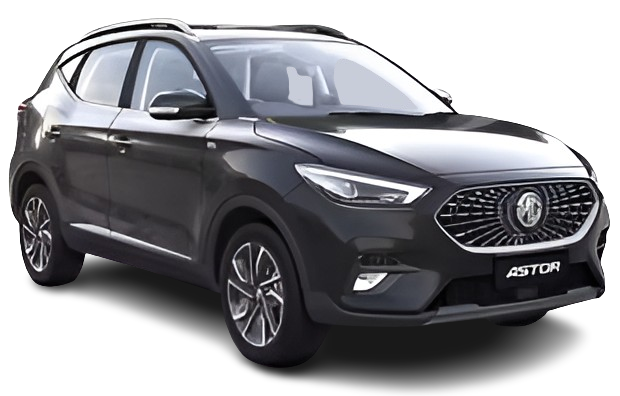
MG Astor
Tata Curvv EV

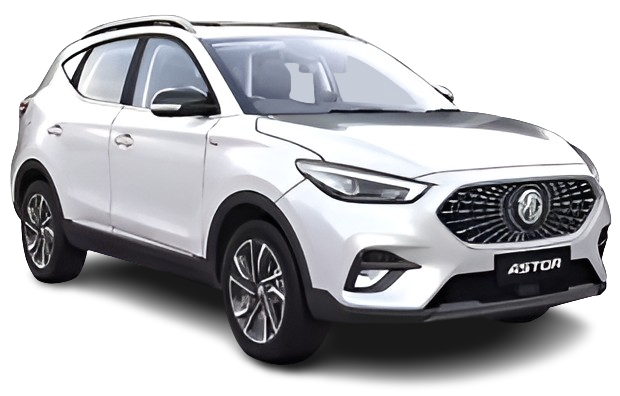
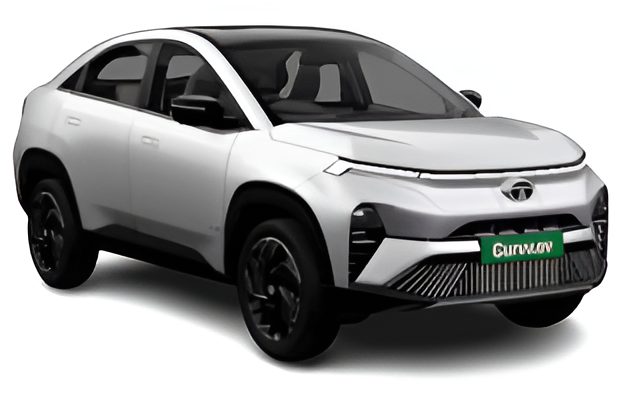
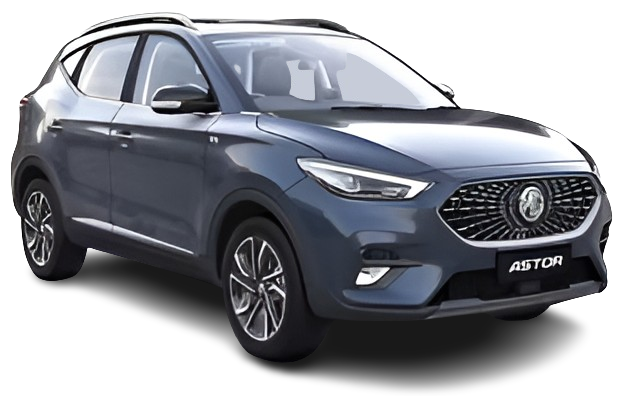
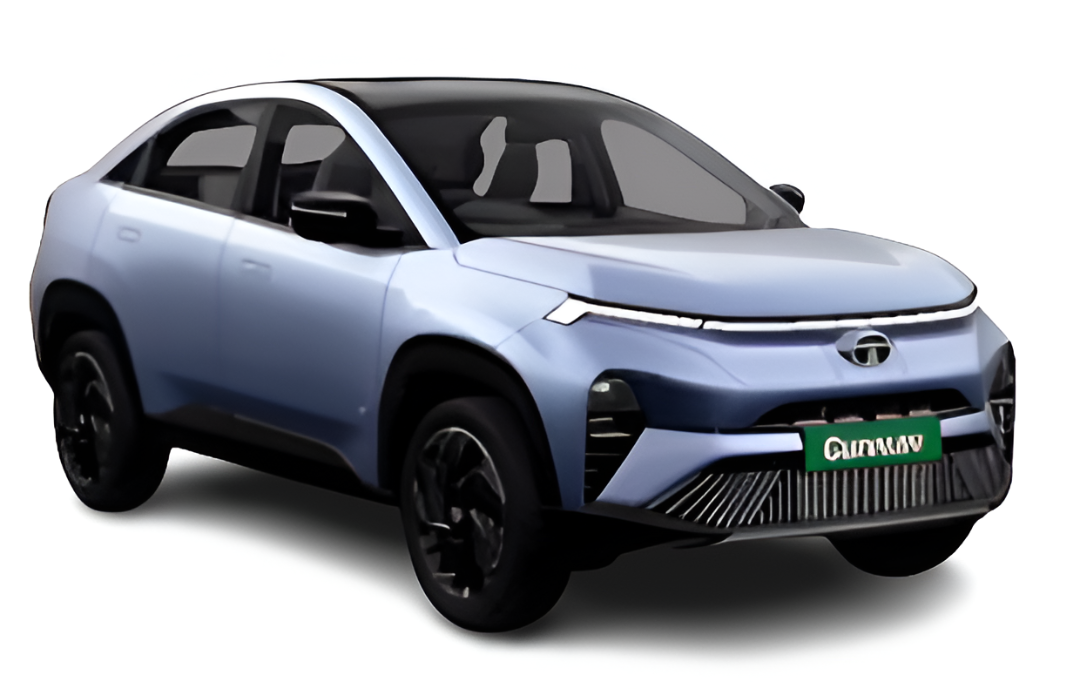
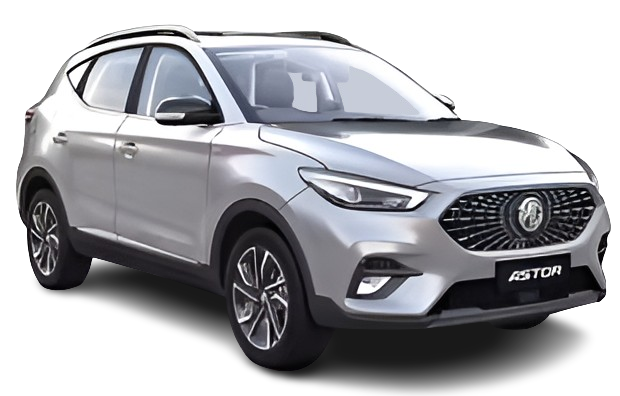
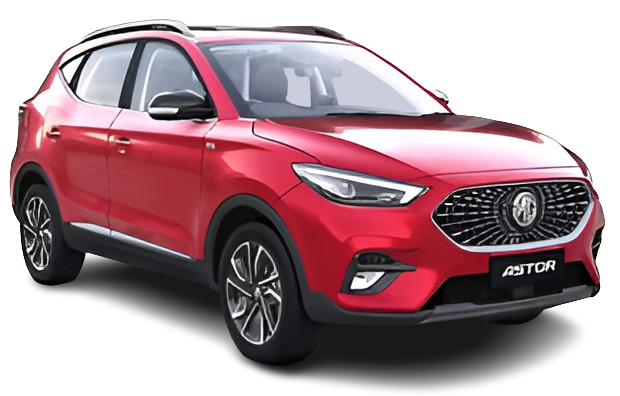
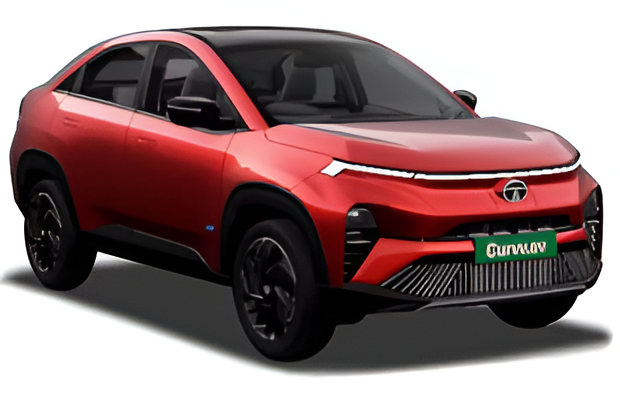
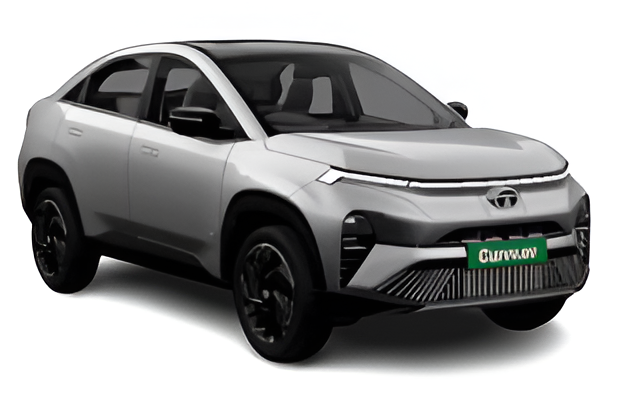
Similar Popular Comparisons
vs
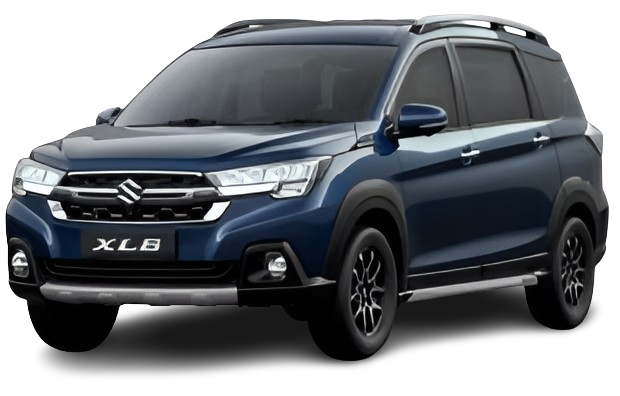
MG Astor
9.79 Lakh –
15.50 Lakh
Maruti XL6
11.52 Lakh –
14.47 Lakh
vs
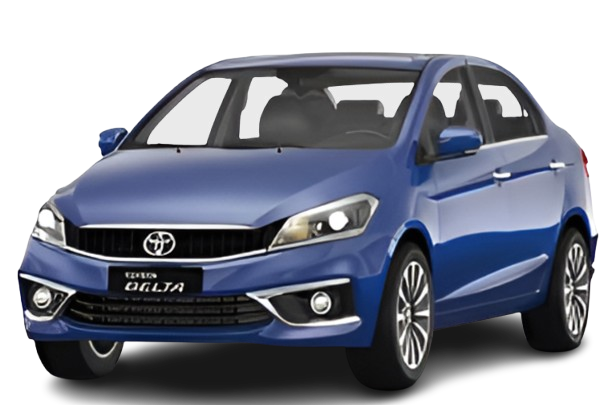
MG Astor
9.79 Lakh –
15.50 Lakh
Toyota Belta
11.25 Lakh –
16.50 Lakh
Subscribe Now
Want to Know more about Upcoming and New
Cars… Ask Us!